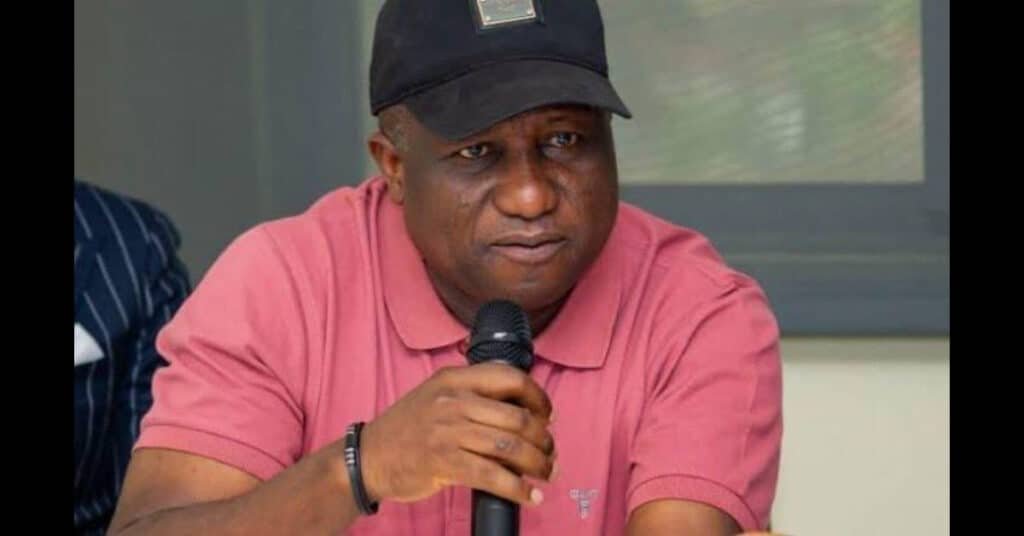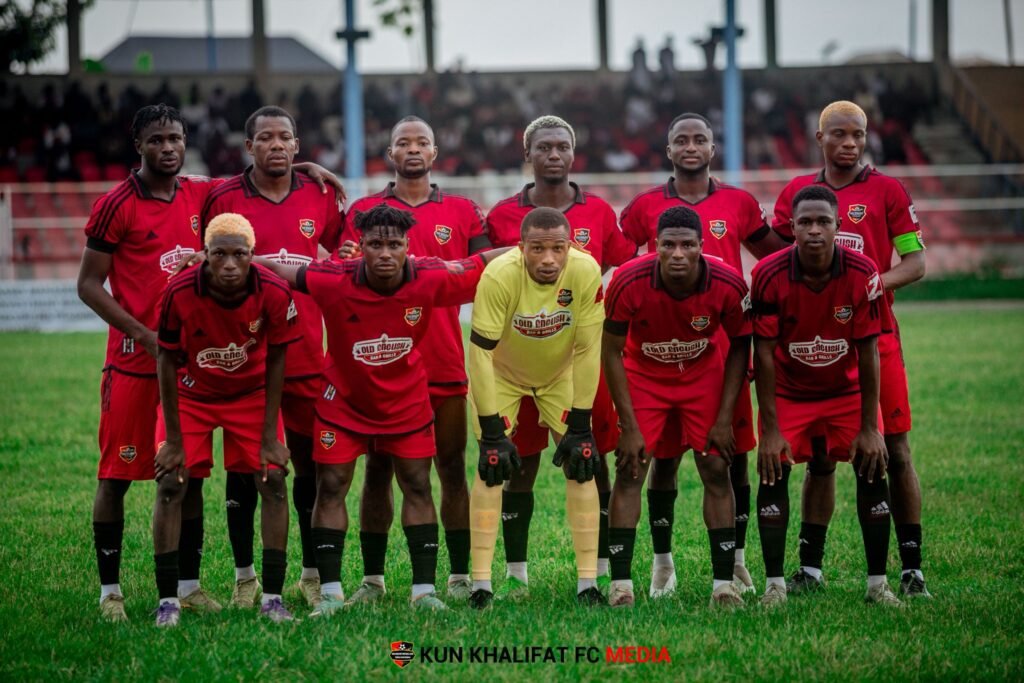

The Nigeria Professional Football League (NPFL) will begin to have its matches aired on television from the second week of January, the league’s Chairman Gbenga Elegbeleye has announced.
Elegbeleye shared the update in an exclusive interview with Sports247, revealing that the league had managed operations without government funding or a title sponsor, yet still achieved significant milestones.
“We’ve been able to get a media partner, and before the first ten days of January, we are going to be on television. That’s my joy,” Elegbeleye said, underlining the progress being made in boosting the NPFL’s visibility.
Want our football coverage to show up first?
Add FootballInNigeria as a preferred source and our stories get a "Preferred" badge in your Google Top Stories, AI Overviews, and AI Mode results.
He also noted achievements such as regular referee payments and increased prize money over the last three seasons — improvements that, he argues, reflect the league’s growing professionalism despite financial constraints.
Editorial
There is something profoundly symbolic in the announcement that the Nigeria Premier Football League long played out in stadiums but largely unseen beyond them — will soon be broadcast on national television. For a league that has laboured under funding droughts, logistical hurdles and years of being overshadowed by foreign competitions on local screens, this marks not just a media milestone but a cultural one.
By announcing that NPFL fixtures will be aired from the second week of January, Gbenga Elegbeleye is signalling a transformative moment for domestic football, one that resonates far beyond mere transmission signals. The absence of a title sponsor and the operation of the league on a “zero budget” underscore the resilience and ingenuity of those steering Nigeria’s top flight. Yet it also lays bare a stark reality until now, Nigerian football’s heartbeat was more often felt abroad than at home.
Television coverage will not merely provide visibility it will redefine value. It rewrites the relationship between clubs and their supporters, and between players and their potential market appeal. The NPFL’s audience has been yearning for a chance to see its stars not merely read about them or catch occasional highlights but to witness the drama, the triumphs, and the heartbreaks week after week. This exposure will test the league’s capacity for consistency, competitiveness and narrative — the very elements that elevate a good competition into a beloved institution.
Of course, broadcast rights alone do not guarantee commercial success or sustainable growth. They must be paired with strategic marketing, audience engagement and, crucially, improved standards on and off the pitch. Yet this move to television is, in every sense, a leap toward that future. When the NPFL flickers onto screens across the nation, it will do more than show games it will broadcast ambition, broadcast history, and broadcast a reminder Nigerian football belongs both in its grounds and in homes across the country.
Did You Know?
- Historic Broadcast Growth The NPFL previously streamed multiple live matches via the NPFL Live app and StarTimes, with some weekends seeing up to eight fixtures broadcast simultaneously.
- Data & TV Deal The NPFL recently signed a ₦2 billion broadcast and data management agreement aimed at expanding free-to-air and digital access to matches nationwide.
- Radio Revival Push Before full TV coverage, the NPFL partnered with the Federal Radio Corporation of Nigeria (FRCN) to broadcast live match commentary, aiming to reconnect fans with domestic football.
- Calendar Alignment In recent seasons, the NPFL has aligned its fixtures more closely with major European leagues to increase marketability and appeal to broadcasters.
- Past TV Deals The league once signed a five-year broadcast rights deal worth over ₦1 billion with StarTimes, underscoring long-standing efforts to televise NPFL matches.