
Nigeria is not in the 2026 World Cup, but two of the country’s NPFL clubs will still receive a share of the tournament’s $355m global compensation fund, because the players their overseas contingent trained beside during qualifying were representing other nations.
Want our football coverage to show up first?
Add FootballInNigeria as a preferred source and our stories get a "Preferred" badge in your Google Top Stories, AI Overviews, and AI Mode results.
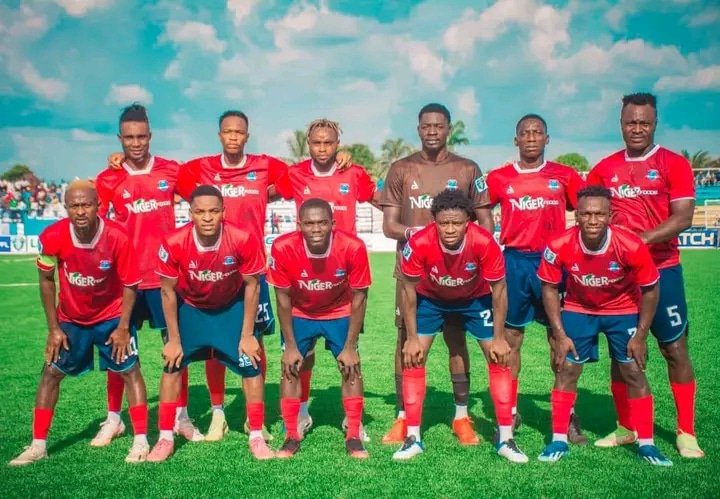
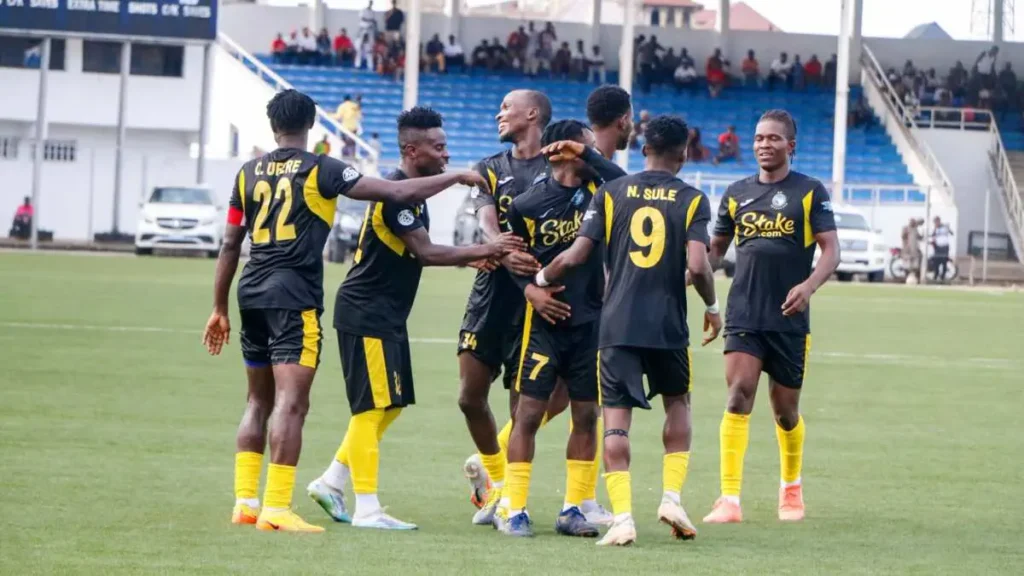
FIFA has confirmed that Enyimba and Remo Stars will both benefit from the expanded Club Benefits Programme for the 2026 FIFA World Cup, making them two of the Nigerian clubs collecting compensation from a tournament their national team did not qualify for. The payments arrive as a consequence of a landmark policy change that, for the first time in the programme’s history, extends financial compensation to clubs that released players for World Cup qualifying matches — not just the finals themselves.
The total pot for the 2026 edition stands at $355 million distributed across clubs worldwide. Of that figure, $100 million has been specifically allocated to cover qualifying releases, with clubs receiving at least $2,360 per player for every match in which the player was included in an official matchday squad. The remaining $250 million covers the tournament phase itself, calculated on a per-player, per-day basis across the competition, which runs from June 11 to July 19. Nigerian football fans interested in how the FIFA Club Benefits Programme shapes the financial landscape of domestic clubs can get the latest NPFL news and Bet9ja offers through Nigeria’s top Bet9ja promotion code page ahead of the new season.
What Remo Stars and Enyimba Are Set to Receive
Remo Stars (Ikenne) — 4 players released during November 2023–October 2025 qualifying window:
Adebiyi Obassa (Benin Republic, GK) | Kayode Bankole (Nigeria, GK) | Sodiq Ismaila (Nigeria, defender) | Franck Mawuena (Togo, striker)
Estimated payment: ~$35,400 (over ₦48 million)
Enyimba (Aba) — 1 player released during qualifying:
Olorunleke Ojo (Nigeria, GK) — 2 qualifying matches
Estimated payment: ~$4,720 (~₦6.4 million)
Remo Stars emerge as the bigger beneficiary of the two, having released four players for three different national teams across the two-year qualifying window between November 2023 and October 2025. The four player spread across Benin Republic, Nigeria, and Togo reflects the increasingly multinational character of NPFL club squads in recent seasons, where foreign players from neighbouring West African nations have become a regular feature of the league’s top clubs. Releasing those players for their respective national teams during qualifying campaigns created a compensation entitlement that FIFA has now formalised and valued at approximately $35,400 for the Ikenne club, a figure the NFF has translated as over ₦48 million at current exchange rates. Follow all the latest NPFL and Nigerian club football news through Bet9ja’s prediction page for match-by-match analysis as the 2026-27 domestic season approaches.
FIFA’s Landmark Policy Change
The significance of the qualifier inclusion extends well beyond what Enyimba and Remo Stars will receive individually. In every previous edition of the FIFA Club Benefits Programme, the compensation mechanism only covered clubs releasing players for the tournament itself. Clubs that released players for qualifying campaigns, which can span two years and involve dozens of matches per country, received nothing. FIFA President Gianni Infantino framed the change directly, saying it means “more clubs than ever before will receive a share” of the financial benefits the World Cup generates. He described the expanded programme as recognition of clubs’ contribution to international football development at every stage, not just the tournament’s visible final phase.
The policy shift is particularly meaningful for clubs in African football, where the national team qualifying cycles are long, travel distances are significant, and the financial cost of releasing players falls entirely on the domestic clubs rather than the federations or FIFA. Previously, an NPFL club that released a player for ten qualifying matches across two years received no compensation at all while absorbing the disruption to its domestic campaign. Under the new structure, every qualifying appearance generates a payment that flows back to the club. For Nigerian football, where the financial sustainability of NPFL clubs is a recurring concern, any mechanism that creates additional revenue streams tied to international football participation is a development worth paying close attention to.
The Broader Picture for Nigerian Club Football
Enyimba’s smaller payment, approximately $4,720 for Olorunleke Ojo’s two qualifying appearances, reflects the reality that the Aba club’s overseas player contingent was limited during the 2026 qualifying window. For a club of Enyimba’s standing and history, the figure is less significant in absolute terms than in what it represents a formal acknowledgement from world football’s governing body that their contribution to international football has a monetary value. The same acknowledgement, scaled differently, applies to Remo Stars. The Ikenne club’s growing profile as an NPFL force has partly been built on the acquisition of quality players from neighbouring countries, and those players have in turn represented their national teams during a major qualification campaign. FIFA’s programme creates a direct financial link between that recruitment strategy and a World Cup revenue stream.
The 2026 World Cup, which Nigeria did not qualify for, will nonetheless generate income for two of the country’s clubs. It is an unusual and ironic position to occupy receiving money from a tournament you could not reach but it is also a straightforward consequence of the way modern football’s financial ecosystems connect club and international football across borders and competition structures. Both Enyimba and Remo Stars will receive their payments in due course. What they do with the funds, in the context of squad building and preparation for the new NPFL season, will be the more interesting story to follow. All NPFL club news and pre-season updates are available at FootballInNigeria.com.ng’s Bet9ja promotion code page.
📌 Did You Know?
- The FIFA Club Benefits Programme was first introduced for the 2010 FIFA World Cup in South Africa, making 2026 the fifth edition of the programme. However, the inclusion of qualifying match compensation in 2026 represents the most significant structural expansion the programme has undergone since its inception.
- Remo Stars’ Adebiyi Obassa, the Benin Republic goalkeeper whose qualifying releases contributed to the Ikenne club’s compensation entitlement, is one of several West African goalkeepers to have built their reputation within the Nigerian professional football environment before establishing themselves as international first choice options for their home nations.
- Franck Mawuena, the Togolese striker released by Remo Stars for Togo’s qualifying campaign, represents a category of NPFL player that has grown steadily over the past decade West African internationals whose development and professional profile has been shaped significantly by time spent in the Nigerian top flight.
- Olorunleke Ojo, who generated Enyimba’s qualification payment through his two appearances in Nigeria’s qualifying campaign, is one of the reserve goalkeepers in the Super Eagles pool, sitting behind Maduka Okoye, Stanley Nwabali, and the newly capped Arthur Okonkwo in the current hierarchy under Eric Chelle.
- FIFA’s $355m total Club Benefits Programme for 2026 compares to $209m distributed for the 2022 World Cup in Qatar, representing a 70 percent increase in a single cycle, driven by the expansion to 48 teams and the addition of qualifying compensation for the first time in the programme’s history.
- Nigeria’s Kayode Bankole, the goalkeeper released by Remo Stars for Super Eagles qualifying duties, was one of Eric Chelle’s fringe international options during the qualifying window. His inclusion in the compensation list reflects the NFF’s policy of building a broad pool of registered players for qualifying squads even when a player does not feature in every match.
- FIFA’s per-player, per-match compensation model for qualifiers is calculated based on the number of official matchday squads a player appeared in, not the number of matches in which they actually played. A goalkeeper listed as a substitute who never left the bench still generates the full $2,360 compensation payment for their club per match.