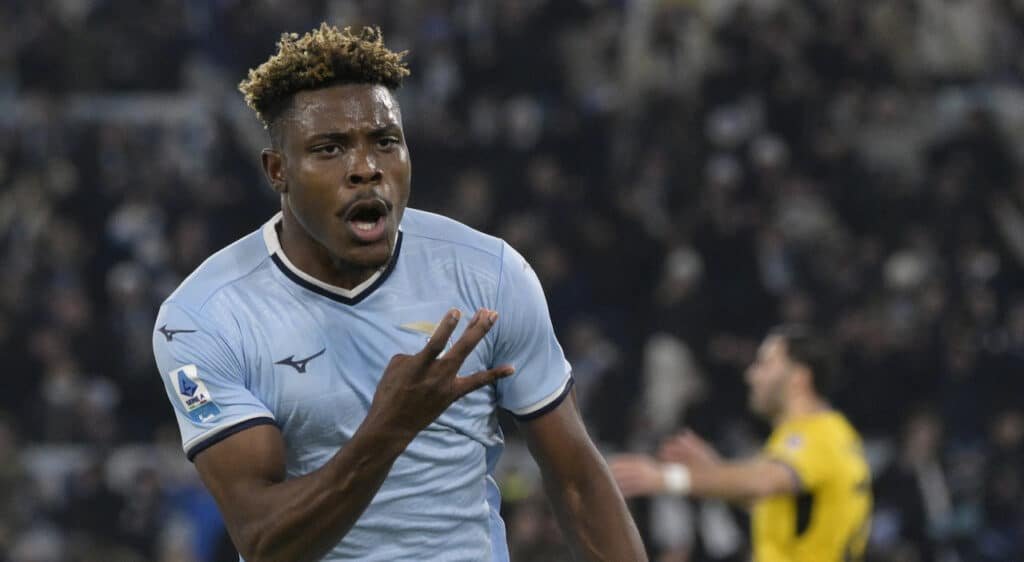

Nigeria’s number one goalkeeper has been without a club since February, when he terminated his Chippa United contract in a move that surprised everyone who thought he was settled in Port Elizabeth. Three months on, the suitors are multiplying but the deal has not arrived.
Stanley Nwabali has not played competitive club football since February. The Super Eagles first-choice goalkeeper left Chippa United mid-season in circumstances that caught the South African football public off guard — he was the club captain, he was performing consistently, and he had given no public signal that a departure was imminent. Yet the contract was terminated, and Nwabali stepped into the open market at 29 years old, at what should be the peak of his powers.
The waiting has stretched into its third month. Links to Orlando Pirates and Kaizer Chiefs in the South African Premier Soccer League emerged quickly after his exit, carrying the obvious appeal of a return to the country where he had built his senior career. Neither club has followed through with a formal offer. Tanzanian giants Simba SC entered the picture next, representing a step up in continental exposure for a goalkeeper whose Champions League experience in Africa remains limited. Simba have not concluded a deal either.
Want our football coverage to show up first?
Add FootballInNigeria as a preferred source and our stories get a "Preferred" badge in your Google Top Stories, AI Overviews, and AI Mode results.
Now a third Tanzanian club has entered the conversation. Azam FC, one of the most ambitious outfits in East African football, have reportedly emerged as a serious suitor for Nwabali’s signature according to Footy Africa, adding a new dimension to a situation that has taken longer than most observers anticipated to resolve. Supporters following the Nwabali transfer saga can check the Bet9ja sign-up bonus ahead of the Unity Cup, where Nwabali is expected to feature for the Super Eagles regardless of his club status.
Who Are Azam FC and Why Do They Want Nwabali?
Azam FC are not a household name outside East Africa, but inside Tanzania they carry significant weight. The club is backed by the Azam Group, one of the largest consumer goods conglomerates in the region, and they have the financial infrastructure to compete with Simba SC and Young Africans for Tanzania’s best players and the region’s most sought-after targets. Their only league title came in the 2013/14 season, and the gap since then has been a source of frustration for a club with their resources. Signing Nwabali — Nigeria’s first-choice goalkeeper and one of the most recognisable faces in African football — would send a clear message about their ambitions.
The financial argument is straightforward. Top Tanzanian clubs pay competitively by African standards, and a free agent of Nwabali’s profile commands serious wages wherever he goes. The absence of a transfer fee makes the deal more attractive for any club willing to absorb his salary, which is why multiple sides across two countries have circled without yet pulling the trigger. The question is not whether clubs want him. The question is which one blinks first and makes the formal commitment. Fans interested in following Nigerian international football can find the full schedule for this month’s Super Eagles friendlies via the Bet9ja promotion code page for Nigerian users.
The Chippa United Departure That Nobody Saw Coming
Understanding why Nwabali’s market has been slower than expected requires going back to the circumstances of his exit from Chippa United. He did not leave at the end of a season with his stock riding high after a string of high-profile performances. He left in the middle of a campaign, under a cloud of unexplained reasons, at a point when Chippa were still in the thick of their own league battle. Mid-season departures carry a different kind of scrutiny from potential suitors, who want to understand motivations before committing.
Before Chippa, Nwabali had built his reputation at Enyimba in Nigeria’s domestic league before his move to South Africa. His performances for the Super Eagles at the 2023 Africa Cup of Nations in Ivory Coast brought him genuine continental attention, with a string of saves in the knockout rounds establishing him as one of the best goalkeepers on the continent at that tournament. His club career, however, has never quite matched the heights of his international moments. A move to Simba or Azam would give him CAF Champions League football, which his time at Chippa never offered.
What This Means for the Super Eagles
Eric Chelle has bigger concerns about the Super Eagles goalkeeping position than Nwabali’s club status. The 29-year-old remains the first choice between the posts regardless of where he is playing his football, and Chelle has shown no indication that a prolonged absence from competitive club action will change that. Nwabali is expected to be part of the Unity Cup squad later this month and will almost certainly start in the friendlies against Poland and Portugal that follow. Clubs tracking the Super Eagles’ upcoming matches, including the Unity Cup in London and the June friendlies, can find odds and betting options via the YOHAIG Bet9ja welcome offer before those fixtures kick off.
The broader concern is that going into a new qualification cycle for the 2030 World Cup without your number one goalkeeper settled at club level is not an ideal starting point. Nwabali playing competitive matches every week matters. A goalkeeper who has been training without game time since February will eventually feel the effects if the situation drags through the summer. The expectation, based on the volume of reported interest, is that a club deal gets done once the summer transfer window formally opens. But the wait has already been longer than most expected, and a fourth month without a club would start to raise legitimate questions.
📌 Did You Know?
- Stanley Nwabali was named in the CAF Team of the Tournament after the 2023 Africa Cup of Nations in Ivory Coast, where his performances in the knockout rounds — including a penalty save in the semi-final against South Africa — were widely credited with carrying Nigeria to the final. That tournament effectively launched him onto the continental stage.
- Nwabali began his professional career at Enyimba FC in Aba, one of Nigeria’s most successful clubs. It was at Enyimba that he developed the shot-stopping technique and composure under pressure that would later define his international reputation. His time there coincided with one of Enyimba’s more competitive periods in CAF club competitions.
- Simba SC, one of the clubs linked with Nwabali, are one of the most successful clubs in East African football history. Based in Dar es Salaam, Tanzania, they have won the Tanzanian league title over 25 times and regularly compete in the CAF Champions League group stages, giving them the continental platform that Chippa United could never offer.
- Azam FC’s parent company, the Azam Group, produces over 30 consumer brands across East Africa including dairy, beverages, and biscuits. The group’s investment in football is part of a broader regional brand strategy, making Azam one of the most commercially driven football clubs on the African continent.
- Kaizer Chiefs, one of the South African clubs linked with Nwabali, are the most supported football club in Africa by some estimates, with a fanbase that extends far beyond South Africa’s borders. Signing the Super Eagles goalkeeper would have given him exposure to a fan community unlike anything he experienced at Chippa United, who operate in a much smaller market.
- Nigeria has produced several elite African goalkeepers over the decades, including Vincent Enyeama, who holds the record for the most Super Eagles caps by a goalkeeper, and Peter Rufai, who was part of Nigeria’s golden generation in the 1990s. Nwabali is widely seen as the first Nigerian goalkeeper since Enyeama to carry genuine continental respect at this level.
- A free agent goalkeeper in African football is a rarer situation than it sounds. Most top goalkeepers on the continent are tied to contracts until the end of seasons, making Nwabali’s mid-season exit and extended free agent period an unusual set of circumstances that has complicated the transfer market dynamics around him.