African football analyst Mamadou Gaye says Nigerians should expect FIFA to rule late on the Super Eagles’ eligibility protest against DR Congo, pointing to the Bafana Bafana precedent as proof that last-minute decisions are standard practice at FIFA.
The Wait Continues
It has been more than two months since the Nigeria Football Federation filed its formal complaint with FIFA, and the ruling still hasn’t come. With less than three weeks left before the next international match window, fans, NFF officials, and players connected to the Super Eagles are all watching and waiting for a verdict that could change the course of Nigerian football history.
Want our football coverage to show up first?
Add FootballInNigeria as a preferred source and our stories get a "Preferred" badge in your Google Top Stories, AI Overviews, and AI Mode results.
The complaint centres on Nigeria’s African playoff final against the Democratic Republic of Congo in November 2025, a match the Super Eagles lost on penalty kicks. The NFF alleged that DR Congo fielded ineligible players, specifically Axel Tuanzebe and Aaron Wan-Bissaka, both of whom previously represented England at the youth level and whose eligibility to represent Congo under Congolese law and FIFA regulations was disputed. Nigeria submitted that Congolese law prohibits dual citizenship, which would have barred both players from featuring.
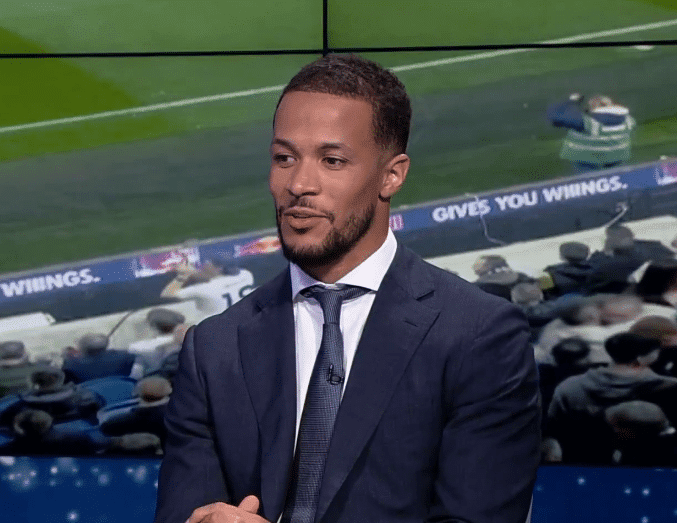
African football expert Mamadou Gaye, speaking on SuperSport’s Soccer Africa programme, told Nigerian fans not to read the silence as bad news. His message was direct: calm down, and trust the process.
— Mamadou Gaye, SuperSport Soccer Africa
The Bafana Bafana Precedent
Gaye’s reference point is instructive. During the 2026 World Cup qualifying campaign, South Africa fielded midfielder Teboho Mokoena in a qualifier against Lesotho despite eligibility concerns around his registration status. FIFA investigated and eventually stripped Bafana Bafana of three points, but the ruling came agonisingly close to the conclusion of Group C fixtures.
That case took months to resolve. And it set a pattern. FIFA’s disciplinary processes are not fast. They are thorough, deliberate, and often frustratingly slow from the perspective of the affected party. Gaye’s point is that Nigeria’s experience right now is not unusual; it’s standard FIFA procedure.
What makes Nigeria’s case different is the magnitude of what’s at stake. A point deduction in a group stage is significant. But a ruling in Nigeria’s favour here wouldn’t just award three points; it could hand the Super Eagles a direct pathway back into World Cup contention through the intercontinental playoff route.
What a FIFA Win Means for Nigeria
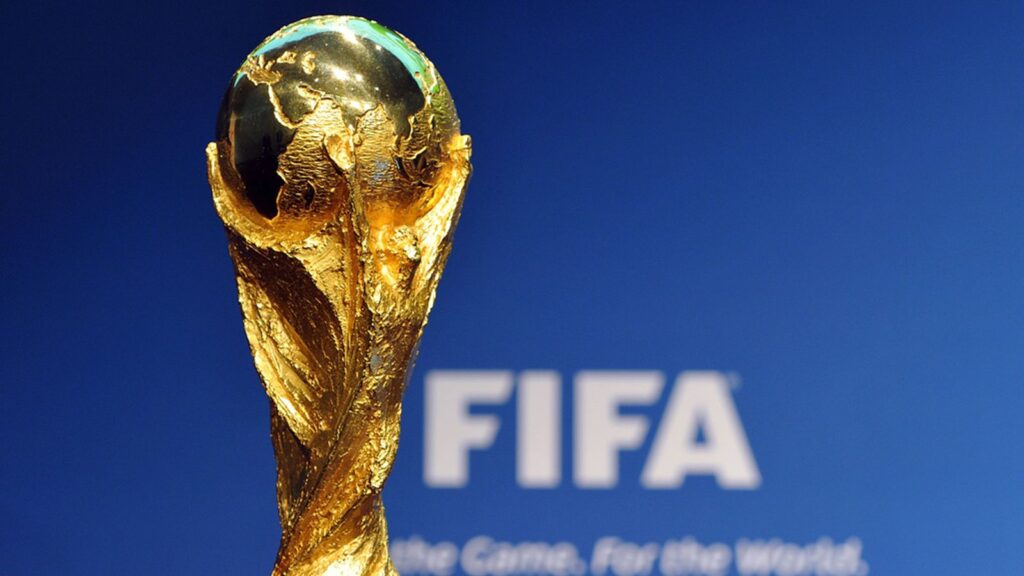
If FIFA rules in Nigeria’s favour, DR Congo’s disqualification from the playoff would open the door for the Super Eagles to take their place. DR Congo were scheduled to face the winner of a playoff between New Caledonia and Jamaica, with the victor earning a berth at the 2026 FIFA World Cup in North America. Nigeria stepping in would put them directly in that fixture.
That’s a significant prize. The 2026 World Cup, hosted across the United States, Canada, and Mexico, is the first edition with 48 teams, offering more berths than ever before. An African nation with Nigeria’s profile missing out entirely would be a genuine shock to the global game. The NFF knows this. So does FIFA.
- If FIFA rules for Nigeria: Super Eagles could replace DR Congo in the playoff
- Playoff opponent: Winner of New Caledonia vs Jamaica
- Prize: A spot at the 2026 FIFA World Cup in the USA, Canada, and Mexico
- If FIFA rules for DR Congo, DR Congo proceeds and faces that playoff match
- Jamaica has already publicly expressed discomfort with the ongoing uncertainty
- Nigeria still has the option to appeal to the Court of Arbitration for Sport if FIFA rules against them
The NFF has kept busy in the meantime. The federation confirmed that the Super Eagles will play friendly matches against Iran and Jordan during next month’s international window, ensuring the team stays match-ready regardless of FIFA’s eventual verdict. It’s a sensible approach. Sit idle, and you lose sharpness. Stay active, and you’re ready for whatever comes.
The Eligibility Arguments at the Heart of the Case
The crux of Nigeria’s complaint rests on two pillars. The first is FIFA’s regulations on player eligibility switches, specifically those governing players who represented one nation at the youth level and switch to another at the senior level. Both Tuanzebe and Wan-Bissaka appeared for England youth teams before committing to the DR Congo senior setup.
The second is Congolese domestic law. The NFF argued that Congo’s national legislation does not permit dual citizenship, meaning players who hold British passports cannot simultaneously hold Congolese nationality. If that legal argument holds, the players’ registration with the Congolese Football Association would be invalid under FIFA’s own statutes.
DR Congo and their federation have defended the eligibility of both players, and FIFA began its investigation in December 2025. The fact that no ruling has emerged yet suggests the case is genuinely complex. Gaye acknowledged this, noting that cases involving dual citizenship laws across multiple jurisdictions take time to resolve properly.
Editorial Perspective
Nigerian football fans have lived through too many heartbreaks at FIFA’s hands to feel comfortable with this silence. But Gaye is right. Panic won’t speed up the process, and impatience won’t change the outcome. What Nigeria needs right now is precisely what the NFF appears to be doing: preparing professionally, playing friendlies, staying sharp, and letting the legal process run its course.
The deeper issue is systemic. FIFA’s eligibility rules on nationality switching are genuinely complicated, and the situation highlights a growing tension in African football between players raised in Europe who choose to represent their countries of heritage. That conversation needs to happen at a federation level, regardless of how this case ends. For now, Nigeria waits. But they wait with a credible case, a clear precedent, and the right to appeal if the initial verdict goes against them.
The Road Ahead
Gaye was careful to manage expectations without crushing hope. His message to Nigerian fans was essentially this: FIFA will decide when it decides, and the outcome is genuinely uncertain. A ruling in Nigeria’s favour is possible. So is a ruling against. And if the worst happens, the Court of Arbitration for Sport remains an available further avenue.
For now, the Super Eagles are preparing for Iran and Jordan. The players and coaching staff can’t afford to obsess over a FIFA verdict that may arrive with days to spare before any relevant deadline. They train, they play, and they stay ready. That’s the professional approach, and it’s the right one.
Nigerian football supporters tracking this case should follow all updates here at FootballInNigeria.com.ng, where we’ll cover the FIFA verdict the moment it drops. And for those wanting to back the Super Eagles whenever their next competitive fixture arrives, the Bet9ja YOHAIG welcome code offers up to ₦100,000 on your first deposit, making it an ideal way to stake on Nigeria’s international schedule as it takes shape.
📌 Did You Know?
- Aaron Wan-Bissaka, who featured for DR Congo in the playoff against Nigeria, was born in Croydon, England, and represented England at the youth level before switching international allegiance to the Democratic Republic of Congo.
- Axel Tuanzebe, the other player at the centre of Nigeria’s complaint, is a defender who played for England youth teams across multiple age groups and later committed to the DR Congo senior setup. He was born in the Democratic Republic of Congo but raised in the UK.
- The 2026 FIFA World Cup is the first edition with 48 participating nations, up from 32 in the previous format. Africa’s allocation was expanded from 5 to 9 slots, making the continent’s total berths at stake significantly larger than any previous cycle.
- Jamaica, one of the teams whose playoff fate hangs on the FIFA ruling, publicly expressed discomfort with the uncertainty surrounding the DR Congo case, as their opponents for the intercontinental playoff could change depending on the outcome.
- FIFA’s FIFA Disciplinary Code, which governs eligibility breaches, can impose punishments ranging from a match forfeit (awarding a 3-0 result to the opposing team) to a points deduction, depending on the severity and nature of the infringement.
- Nigeria’s Super Eagles last appeared at a FIFA World Cup in 2018 in Russia, where they reached the group stage. The 2022 edition in Qatar was a painful miss after a playoff loss to Ghana on away goals.
- Mamadou Gaye, who urged patience in this case, is a Senegalese football analyst widely respected across the continent for his expertise in CAF and FIFA governance matters, regularly appearing on SuperSport platforms to provide commentary on African football.