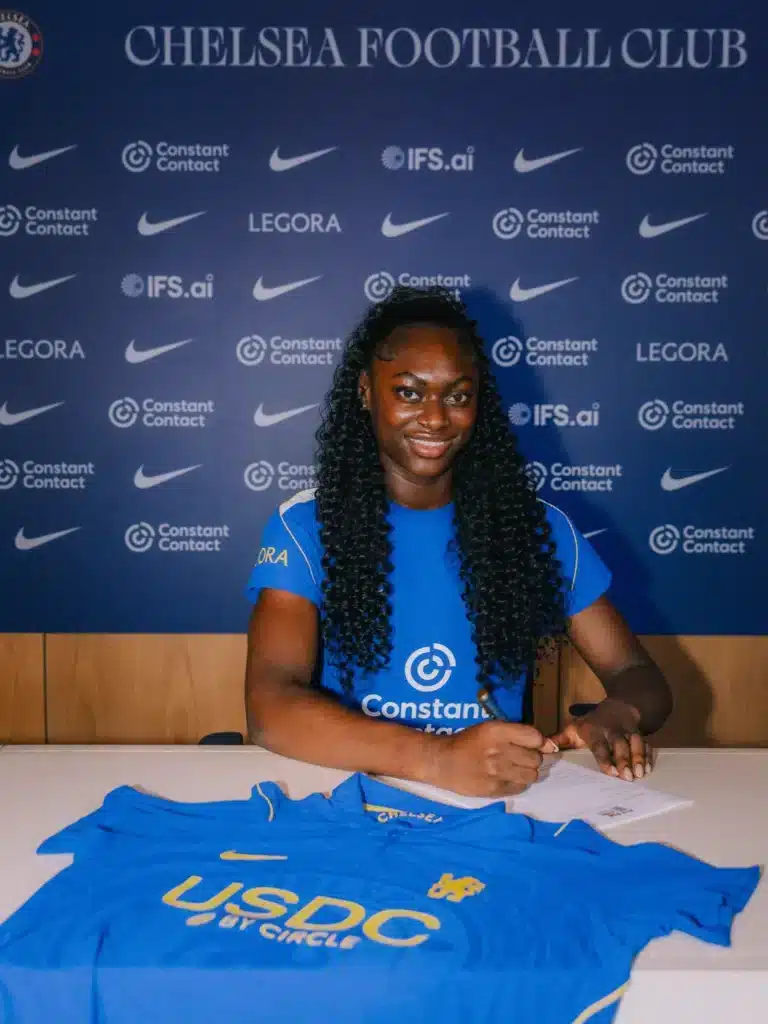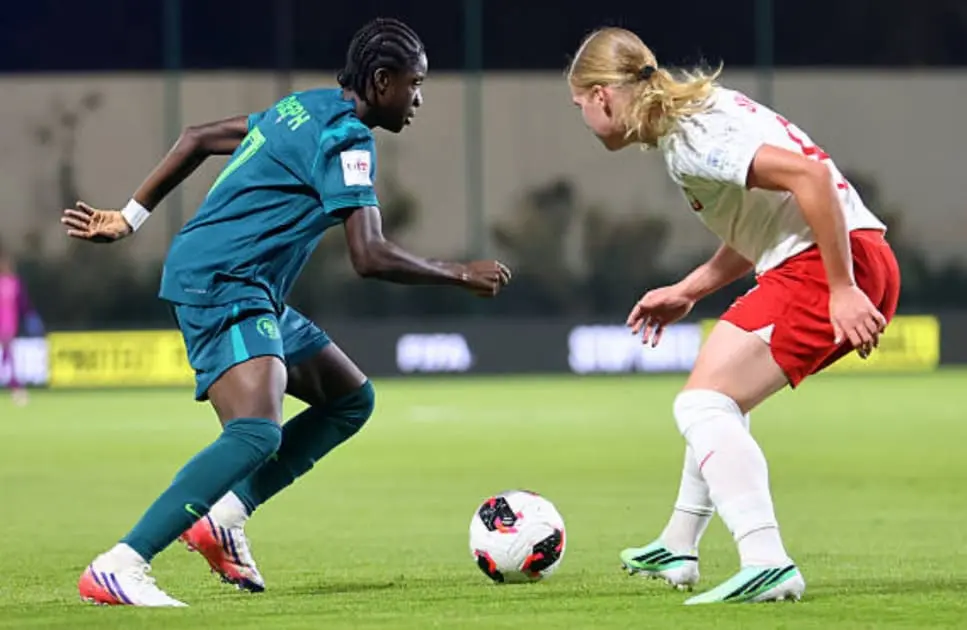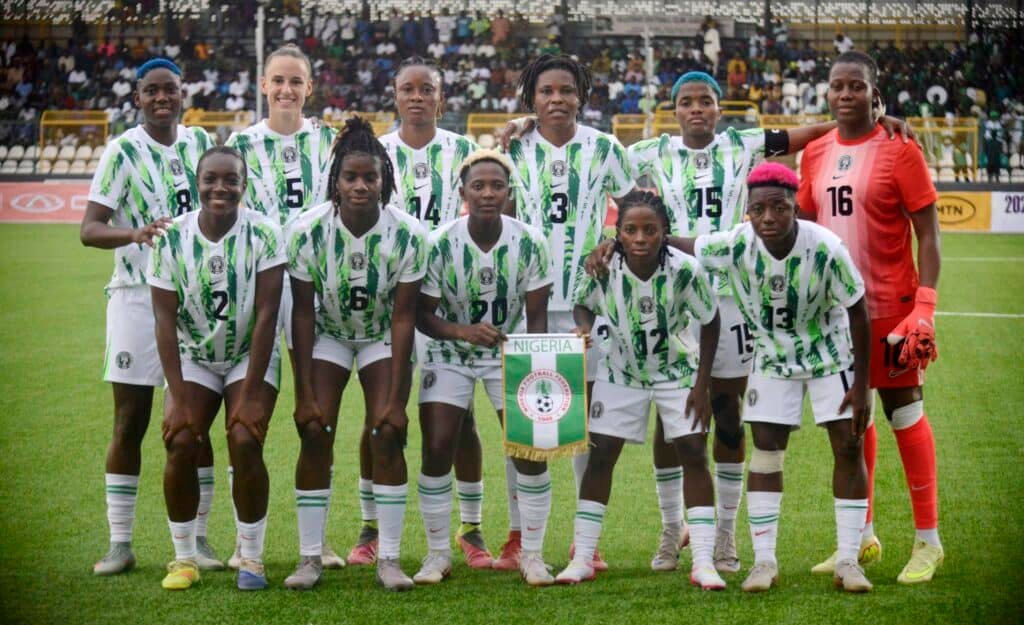

As clubs from South Africa, Egypt, Morocco and Tunisia prepare to collect millions from FIFA’s landmark club compensation scheme, Nigeria’s domestic league is watching from the outside again with nothing to show from the biggest financial payout in World Cup history.
Want our football coverage to show up first?
Add FootballInNigeria as a preferred source and our stories get a "Preferred" badge in your Google Top Stories, AI Overviews, and AI Mode results.
FIFA has confirmed a record $355 million Club Benefits Programme for the 2026 World Cup cycle, a 70 percent increase from the $209 million distributed after the 2022 tournament in Qatar, and the Nigeria Premier Football League will not see a single dollar of it, FootballInNigeria.com.ng reports. The absence of NPFL clubs from the scheme is not merely a consequence of Nigeria’s failure to qualify for the tournament. It is a structural problem that would have existed even if the Super Eagles had made it to North America, because no home based player has featured in Nigeria’s World Cup qualifying squads in years.
The programme works on a straightforward formula. Clubs receive compensation for every day their players spend on international duty during the World Cup cycle roughly $5,000 per player per day at the finals, with a minimum payout of around $160,000 per player for sides that exit at the group stage and up to $285,000 per player if their nation reaches the final. For the first time in the programme’s history, clubs are also compensated for releasing players during World Cup qualifying matches, at approximately $2,362 per player per qualifying appearance across 905 matches played globally. Any club that had players named in a World Cup qualifying matchday squad — not just the final tournament is eligible for a share of that $100 million qualifying allocation.
Fans who want to follow the 2026 World Cup action and back their favourite African sides can check out today’s Bet9ja promo code before the opening match on June 11.
What Africa’s Best-Organised Leagues Will Earn
The contrast with Nigeria’s neighbours is sharp and instructive. South Africa’s Premier Soccer League is reportedly the most represented domestic league in Africa at the 2026 World Cup, with roughly 19 players selected from clubs in the country for Bafana Bafana’s squad. That means PSL clubs primarily Mamelodi Sundowns and Orlando Pirates, who have developed and retained those players, will share a meaningful portion of the $250 million finals allocation. Egypt’s domestic league follows closely, with approximately 17 players from local clubs in the Pharaohs’ World Cup squad, making Al Ahly and Zamalek among the African clubs best placed to benefit. Clubs from Morocco and Tunisia, two other nations at the tournament, add further African representation to the beneficiary list.
At the 2022 World Cup in Qatar, Manchester City sent 16 players to the tournament and earned approximately $4.6 million from the scheme. This time, City are sending 19 players, making them once again one of the biggest single beneficiaries globally. Bayern Munich, Arsenal, and Paris Saint-Germain are among the other European clubs with the highest player counts at the tournament. The scale of those payouts compared to what Nigerian clubs receive a flat zero is a number that Nigerian football administrators need to sit with.
Nigerian football supporters keen to back their favourite teams during the World Cup can use the latest Bet9ja promo code to access current World Cup betting markets as the tournament gets underway.
Why the Problem Is Deeper Than Qualification
It is tempting to frame Nigeria’s absence from the scheme purely as a consequence of failing to qualify for the World Cup. That framing lets the NPFL off the hook. The fuller picture is more uncomfortable. Even in the cycles where Nigeria did qualify for the World Cup as recently as 2018 in Russia NPFL clubs received nothing, because Nigeria’s qualifying squads have been built almost entirely from foreign-based professionals for well over a decade. The last time a home-based player meaningfully featured in a World Cup qualifying campaign for Nigeria is a question Nigerian football administrators struggle to answer.
South Africa and Egypt have built their World Cup squads with a different philosophy. Both countries maintain domestic leagues that are strong enough, well funded enough, and organised enough to produce players who remain competitive with their foreign based compatriots for national team places. Mamelodi Sundowns, operating at a budget and infrastructure level that dwarfs any NPFL club, routinely send players to international tournaments. Al Ahly’s Champions League presence across African football gives their players a level of competitive exposure that keeps them in the international conversation. NPFL clubs, by contrast, produce talent that is sold on before it matures often to clubs in Morocco, Egypt, or the Gulf leaving Nigeria’s domestic league without the senior quality to challenge foreign-based players for Super Eagles places.
FIFA’s $355 million is effectively a financial ranking of how well domestic leagues develop and retain talent good enough for World Cup-level international football. On that measure, the NPFL is not competing with Mamelodi Sundowns, Al Ahly, or the Moroccan Botola Pro. The question is whether the scheme’s expansion and the growing visibility of what South African and Egyptian clubs are earning from it finally provides the concrete financial argument that Nigerian football administrators need to take league infrastructure seriously. Because the money is real, the mechanism is clear, and the path from NPFL to benefit is obvious produce home-based players good enough to be named in World Cup squads. Every other African problem in Nigerian football is abstract. This one has a dollar figure. Those wanting to follow the 2026 World Cup markets and track African teams’ progress can access betting options via the Bet9ja YOHAIG sign-up offer ahead of the group stages.
📌 Did You Know?
- The 2026 World Cup Club Benefits Programme is the first in history to include compensation for qualifying matches, not just the final tournament. This means clubs whose players were named in qualifying matchday squads — even for nations that did not reach the finals also receive a share of the $100 million qualifying allocation.
- A club whose player reaches the World Cup final could earn up to approximately $285,000 from that single player’s participation at the tournament, based on the per-day rate applied across the full 39-day competition window.
- At Qatar 2022, Manchester City earned $4.6 million from the scheme by sending 16 players to the tournament. At the 2026 World Cup they are sending 19 players to a tournament that is 10 days longer, meaning their total payout this time is expected to be significantly higher.
- The 2026 World Cup Club Benefits Programme was agreed as part of a renewed memorandum of understanding between FIFA and the European Club Association (ECA), whose president is Paris Saint-Germain’s Nasser Al Khelaifi. The involvement of the ECA reflects the reality that European clubs supply the majority of World Cup players globally.
- South Africa’s Premier Soccer League is reportedly Africa’s most represented domestic league at the 2026 World Cup, with approximately 19 Bafana Bafana players coming from PSL clubs. This is the direct result of the PSL’s investment in youth development, club infrastructure, and competitive match intensity over the past decade.
- Nigeria has not had a home based player meaningfully feature in a World Cup qualifying campaign since the early 2010s. This structural gap means that even if the Super Eagles had qualified for the 2026 tournament, the NPFL would still have received nothing from the Club Benefits Programme.
- The entire $355 million fund is calculated and distributed after the tournament ends, based on total player days logged globally. FIFA then divides the $250 million finals allocation by the aggregate number of player-days to produce the final per-day rate, which is why the exact figure cannot be confirmed until after July 19.