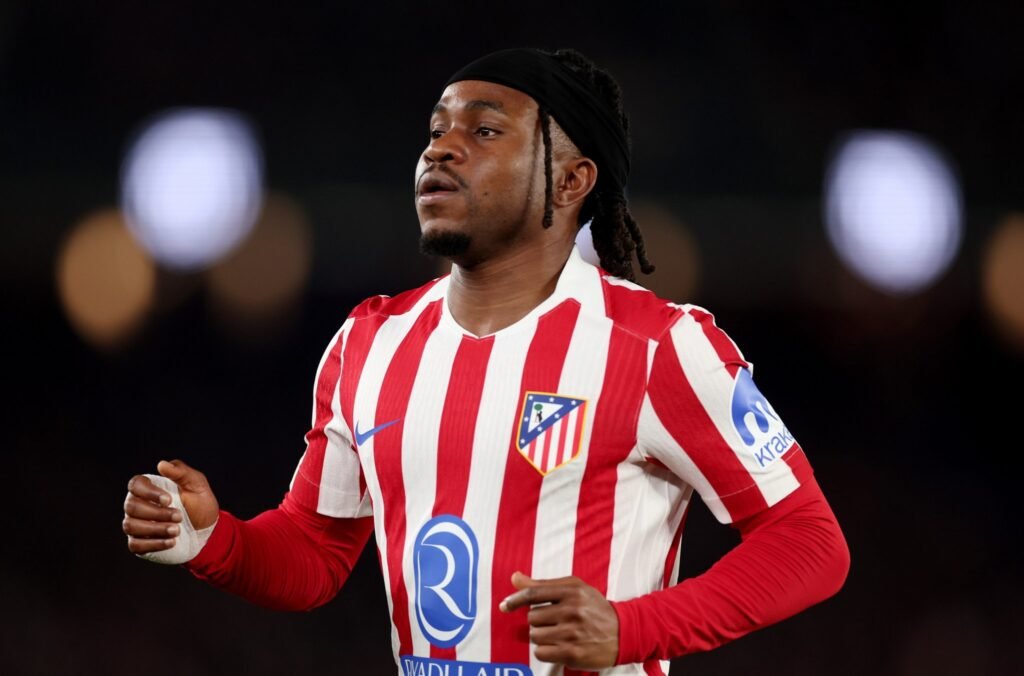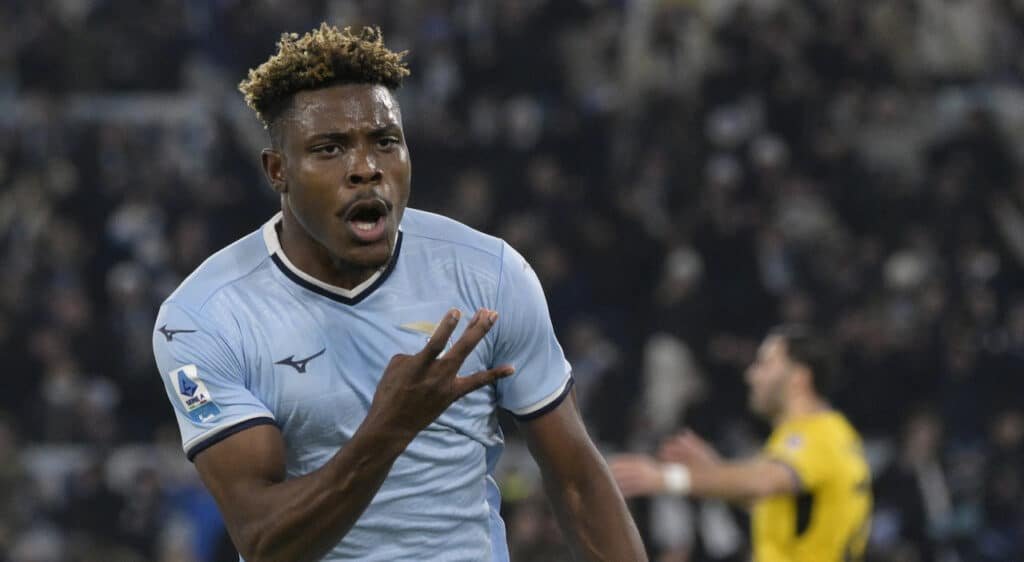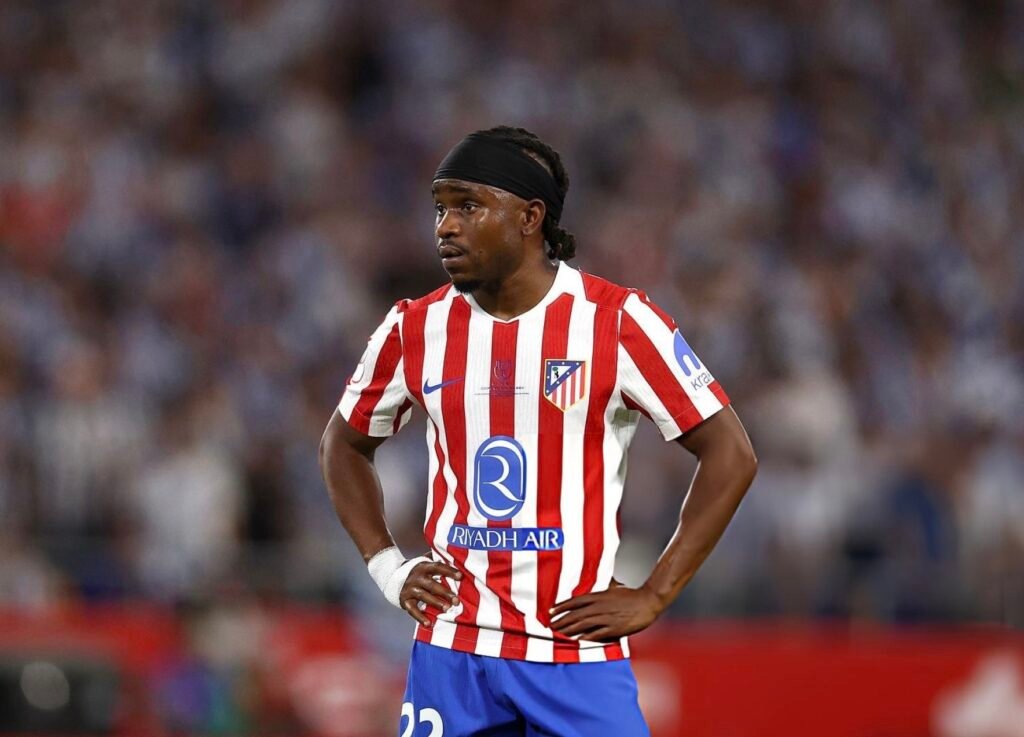

Two Nigerians. One trophy. Completely different journeys to get there. Zaidu Sanusi earned his second title with the club after four years of consistent service. Terem Moffi arrived on loan in January from a club in crisis and is leaving as a champion. Porto’s 31st Primeira Liga title belongs to both of them.
FC Porto are champions of Portugal for the 31st time in their history. Francesco Farioli’s side beat FC Alverca 1-0 at the Estádio do Dragão on Saturday to seal the Primeira Liga title with two matches still to play, ending a four-year wait for the trophy and reclaiming it from rivals Sporting CP. Zaidu Sanusi, who started and completed the full 90 minutes in the title-clinching match, has now won the Portuguese league twice with the same club. Terem Moffi, who was an unused substitute on the night, is a Portuguese champion for the first time in his career.
The contrast between their routes to this moment is almost poetic. Sanusi has been at Porto since 2020. He arrived as a young left-back from Casa Pia, spent his first season finding his feet, and then won the title in 2021/22 as part of the first Sérgio Conceição-era triumph of that generation. Injuries have interrupted his seasons since, but his contribution this campaign — one goal, one assist in 17 league appearances — reflects the kind of steady, professional presence that title-winning teams rely on. He is one of only a handful of Nigerian players to have won the Portuguese top flight more than once with the same club, a distinction that confirms his place in Porto’s recent history. Nigerian football fans following the Super Eagles players winning silverware across Europe this month can check the Bet9ja promotion code for the current welcome offer ahead of the Unity Cup in London.
Want our football coverage to show up first?
Add FootballInNigeria as a preferred source and our stories get a "Preferred" badge in your Google Top Stories, AI Overviews, and AI Mode results.
Moffi’s January Lifeline
Moffi’s story is the one that demands more attention. His final months at OGC Nice before the January transfer window were not just difficult — they were genuinely alarming. After a 3-1 defeat to Lorient in November 2025, furious Nice supporters stormed the club’s training ground and confronted the players directly. Moffi was among those present during the confrontation. It was the kind of incident that ends careers at clubs, the moment when a player and a fanbase reach a point of no return.
Porto’s interest arrived as an emergency loan in January. Farioli had already lost striker Samu Aghehowa to a season-ending injury in early February — adding to the earlier loss of Luuk de Jong to a cruciate ligament injury in November — and needed attacking options. Moffi was available, experienced, and desperate to play himself back into form away from the toxicity of Nice. The move was practical for both parties. What it has become for Moffi, four months on, is his first major European club honour. He did not start the title-clinching game, and Porto’s Portuguese football observers have noted he was rarely a crowd favourite at the Dragão. None of that takes away from the medal around his neck or the league winner’s certificate that carries his name. Those wanting to back other Super Eagles stars still chasing domestic titles across Europe’s leagues can find details of upcoming matches via the Bet9ja sign-up bonus page for new users.
What Porto’s Title Actually Means
Porto’s achievement this season goes beyond the trophy itself. Farioli, in his debut season as Porto manager, navigated the loss of two starting strikers, the integration of several January signings, and the sustained pressure of a title race that Benfica — seven points behind when Porto sealed it — refused to concede until the mathematics made it unavoidable. His 4-3-3 system, built around the central defensive partnership of Jan Bednarek and Alberto Costa when fit, gave Porto a defensive foundation that complemented the attacking enterprise of Gabri Veiga and Seko Fofana in midfield. The Dragons won 27 of their 32 league matches heading into the final weekend, losing only once. That is a dominant season by any reasonable standard.
For Nigerian football, the Porto title represents a broader picture worth acknowledging. On the same weekend that Moffi and Sanusi lifted the Primeira Liga, reports emerged of Babajide and Oladipo winning the Italian Women’s League title with Roma, and Francis Uzoho claiming the Cypriot league title with Omonia Nicosia. Nigerian players ended the first weekend of May 2026 as champions in Portugal, Italy, and Cyprus simultaneously — a reflection of the depth and spread of the diaspora talent that is now competing at the top of European club football across multiple countries. Supporters following the full picture of Nigerians winning across Europe can find all the fixture details alongside the YOHAIG Bet9ja welcome bonus for new users before the June international window.
What Comes Next for Both Players
Sanusi’s future at Porto beyond this season appears stable. He is 26, under contract, and the club’s first-choice left-back when fit. His second title with Porto strengthens rather than complicates that relationship, and there is no indication from the club that his situation will change in the summer window.
Moffi’s position is more open. His loan from Nice expires at the end of the season and Portugoal’s match analysis noted that Porto would be extremely unlikely to pursue a permanent deal. The Nice situation remains unresolved — the club have new ownership following the post-November turmoil, but Moffi’s relationship with their fanbase makes a return complicated. The summer will force a decision. What Moffi takes with him into that negotiation, wherever it leads, is a Portuguese league title and the confidence that comes from being trusted by a Champions League-level manager in a title run-in. For a striker who was watching fans storm training grounds just six months ago, that is a significant shift in circumstances.
📌 Did You Know?
- Porto’s 31st Primeira Liga title keeps them second in the all-time rankings in Portuguese football, behind SL Benfica who hold the record with 38 league championships. The rivalry between the two clubs for title dominance has defined Portuguese football for over six decades.
- Zaidu Sanusi joined Porto from Casa Pia AC in 2020, making him one of the relatively rare examples of a player who moved from one of Portugal’s smaller clubs directly to a Champions League club without an intermediate step to a bigger European league. His path from Casa Pia to a two-time Porto champion is one of the more unusual career trajectories in recent Nigerian football.
- Francesco Farioli, Porto’s title-winning manager in his debut season at the Dragão, previously worked at OGC Nice before taking the Porto role. The fact that his former club Nice was also where Moffi came from, and that both ended up at Porto — one as manager, one as emergency loan striker — is a coincidence of football geography that rarely gets mentioned in the title coverage.
- The incident at Nice’s training ground in November 2025, when supporters confronted players after a home defeat to Lorient, was one of the most reported episodes of fan unrest in Ligue 1 that season. French football authorities opened disciplinary proceedings against the club after footage of the confrontation circulated widely on social media.
- Francis Uzoho, who won the Cypriot First Division title with Omonia Nicosia on the same weekend as Moffi and Sanusi’s Porto triumph, has been Nigeria’s backup goalkeeper behind Stanley Nwabali for much of this Super Eagles generation. His league title in Cyprus adds to a growing list of Nigerians winning domestic honours across European football in the 2025/26 season.
- Samu Aghehowa, whose season-ending injury in February forced Porto to sign Moffi on an emergency loan, is one of the most highly rated young strikers in Portugal. The 21-year-old Spanish-Equatoguinean forward had been Porto’s main attacking outlet before the injury and is expected to return fully fit for the 2026/27 season.
- Terem Moffi began his professional career in Lithuania before moving to Belgium, then to France with Lorient in 2020. His 23 goals in the 2022/23 Ligue 1 season attracted interest from across Europe and led to his move to Nice. The Porto loan represents the first time he has played for a club that competes in the Champions League group stage, a step up in European pedigree regardless of his role in the squad.