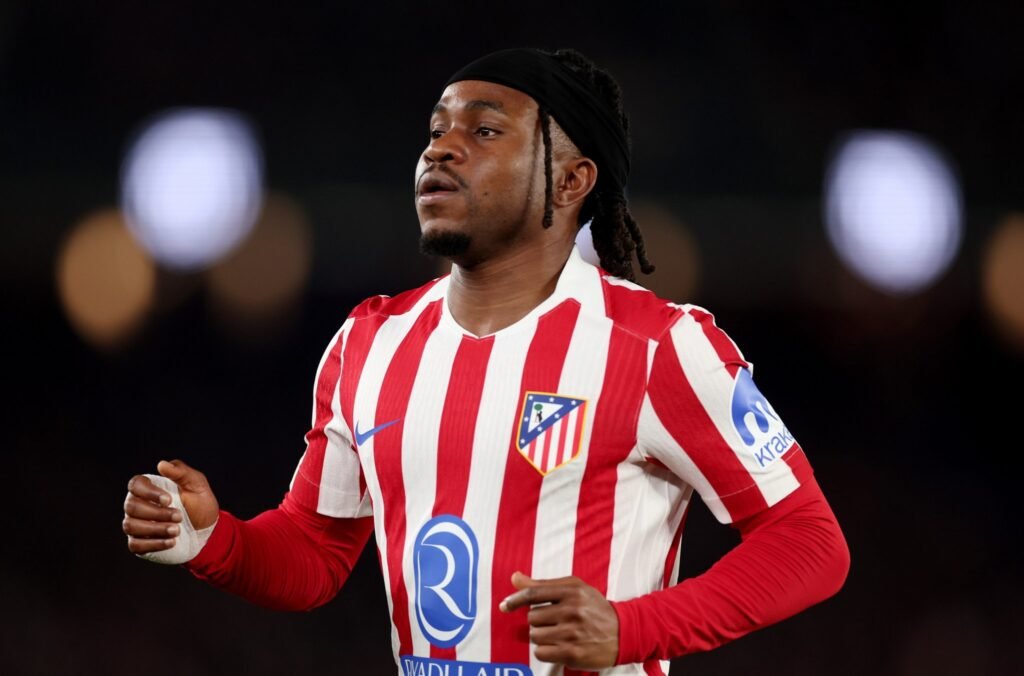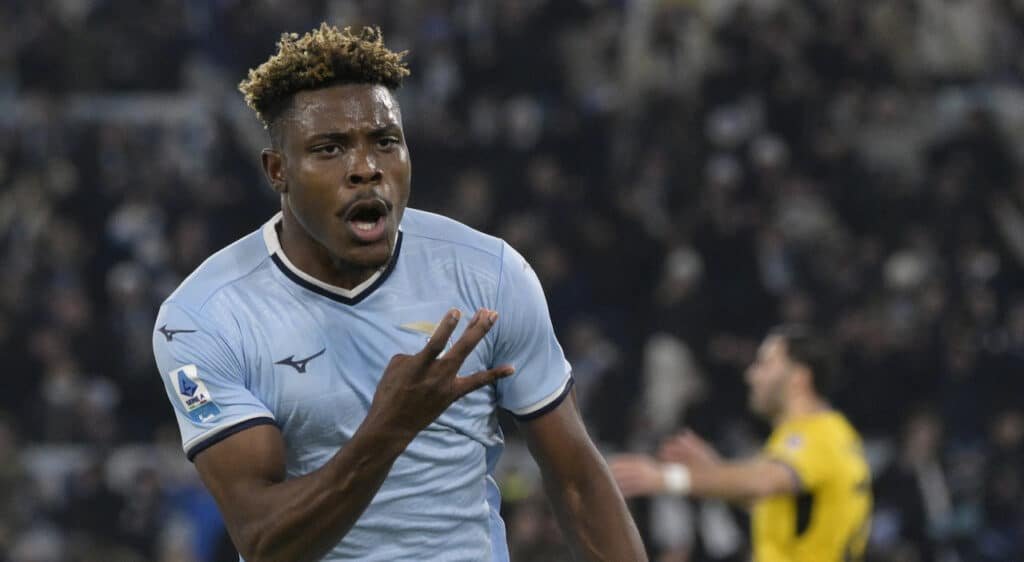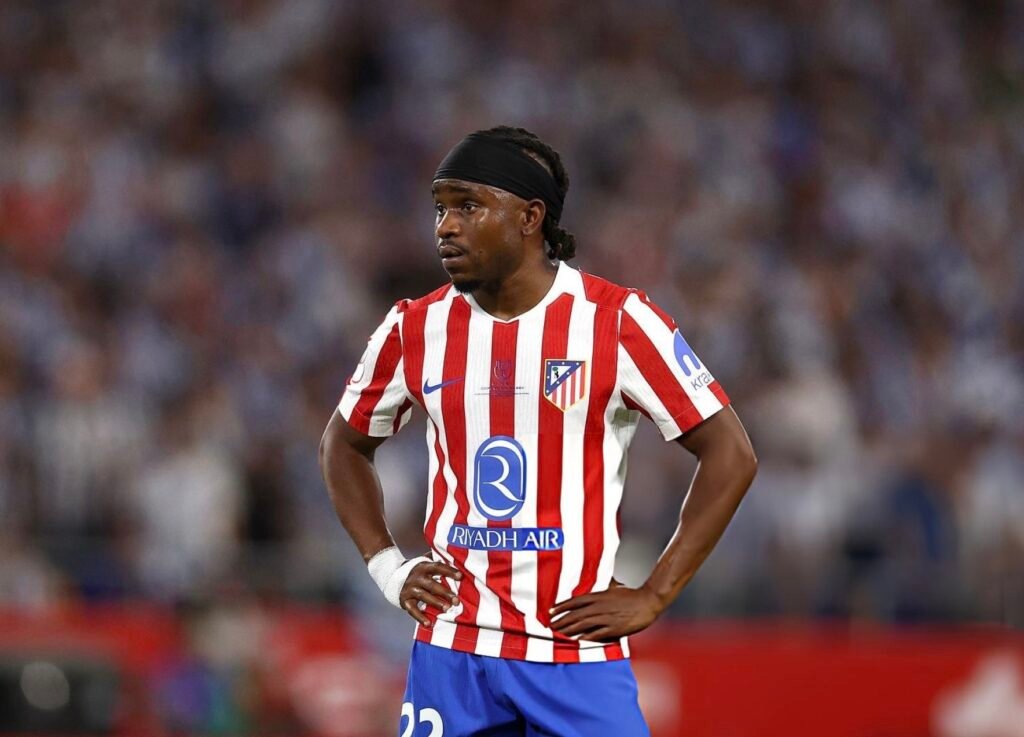

The Super Eagles will watch the 2026 World Cup from home for the second consecutive time. The sporting pain is well documented. The financial pain is not. The total cost to Nigeria is somewhere between $30 million and $40 million, and that is a conservative estimate.
When Nigeria lost to DR Congo on penalties in November 2025, the immediate conversation was about football: the squad, the coach, the missed chances. What received far less attention was the number sitting underneath that result. Conservative projections suggest Nigeria’s absence from the 2026 World Cup will cost the country between $30 million and $40 million, and that figure only covers the categories you can measure. The intangible losses, in visibility, in cultural reach, in the kind of global attention that money simply cannot buy, push the real total considerably higher.
The base figure starts with FIFA prize money. At Qatar 2022, every qualified nation received a minimum participation fee of $1.5 million, with group-stage eliminations earning total payouts of between $9 million and $12 million. For 2026, the tournament has expanded to 48 teams and FIFA is projecting record revenues exceeding $11 billion, meaning prize money at every stage has increased significantly. Conservative projections put Nigeria’s guaranteed group-stage earnings at between $12 million and $15 million. That is the floor, just for showing up. Nigerian fans who want to follow the ten African nations that did qualify this summer can set up on Bet9ja using the YOHAIG promo code ahead of the tournament’s June opener.
Want our football coverage to show up first?
Add FootballInNigeria as a preferred source and our stories get a "Preferred" badge in your Google Top Stories, AI Overviews, and AI Mode results.
Had Nigeria reached the quarter-finals, a realistic possibility given the squad Chelle has been assembling and the kind of run Morocco made in 2022, the earnings would have approached $19 million in performance bonuses alone, plus the participation base. Add commercial clauses triggered by deep runs and the total climbs past $25 million before accounting for anything outside FIFA’s direct payments.
The Sponsorship and Brand Losses
Nigeria at the World Cup is not just a sporting event. It is one of the most powerful marketing moments available to Nigerian companies. Major banks, fintech platforms, telecom giants, beverage brands and betting companies typically align their largest campaigns around the Super Eagles at major tournaments. Without World Cup participation, those campaigns shrink domestically and disappear globally.
The 2018 Nike Nigeria World Cup jersey famously sold out within minutes at London stores and became one of the most talked-about kits in the tournament’s history. Kit sales, brand activations, short-term commercial partnerships and tournament-specific deals would have generated an estimated additional $5 million to $10 million for the Nigerian football ecosystem in a World Cup year. That revenue is gone. New Bet9ja users who want to register ahead of the World Cup can find all the details on the Bet9ja YOHAIG welcome bonus page before the June 19 opener in Los Angeles.
The Diaspora Dimension
The 2026 World Cup is hosted across the United States, Canada and Mexico, three countries that together house one of the largest Nigerian diaspora populations on the planet. Cities like Houston, Atlanta, Toronto and New York have thriving Nigerian communities that transform into fan zones during major tournaments. A Super Eagles qualification would have generated significant economic activity in those cities: fan festivals, viewing parties, Afrobeats cultural events, fashion pop-ups tied to the Nigerian football brand. Nigeria’s absence means all of that happens for other African nations instead.
The media economy suffers too. Nigerian journalists lose accreditation opportunities, media houses see lower traffic, YouTube channels and podcasts shrink their World Cup output. The ripple effect across the Nigerian content economy is real and significant even if it is harder to put a precise number on. The total picture, prize money, sponsorship, diaspora commercial activity, media revenue and cultural visibility, places Nigeria’s losses somewhere north of $30 million. It is the most expensive 90 minutes of penalty shootout in Nigerian football history. Those interested in following the full summer of international football can check the Bet9ja odds boost page ahead of the first World Cup matches in June.
📌 Did You Know?
- Nigeria’s 2018 World Cup kit, designed by Nike, became one of the most viral football jerseys in recent history after pre-orders exceeded three million within 24 hours of its reveal, demonstrating the extraordinary global commercial pull of the Super Eagles brand at a World Cup.
- The 2026 FIFA World Cup is the first to feature 48 teams, with Africa receiving 10 qualification slots compared to five at the 2022 tournament, meaning Nigeria failed to qualify despite the continent having twice as many available places.
- FIFA’s projected revenues for the 2026 World Cup exceed $11 billion, a record for any single sporting event in history, making the prize money on offer at each stage substantially higher than at any previous tournament.
- The United States, one of the 2026 host nations, is home to an estimated 350,000 to 400,000 Nigerians in its diaspora community, with concentrations in Houston, Atlanta, New York and Washington DC, all cities hosting World Cup matches.
- Morocco’s run to the 2022 World Cup semi-finals generated an estimated $20 million to $25 million in direct FIFA earnings for the Moroccan Football Federation, providing a concrete benchmark for what a strong African run at the tournament can deliver financially.
- Nigeria has not qualified for back-to-back World Cups since before their debut in 1994, meaning the current absence in 2022 and 2026 is a historically unprecedented regression for a country that appeared at five consecutive tournaments from 1994 to 2014.
- The NFF has faced persistent issues with delayed player bonuses and administrative funding shortfalls in recent years, making the potential $12 to $15 million minimum World Cup participation fee particularly significant as a source of guaranteed operating revenue.