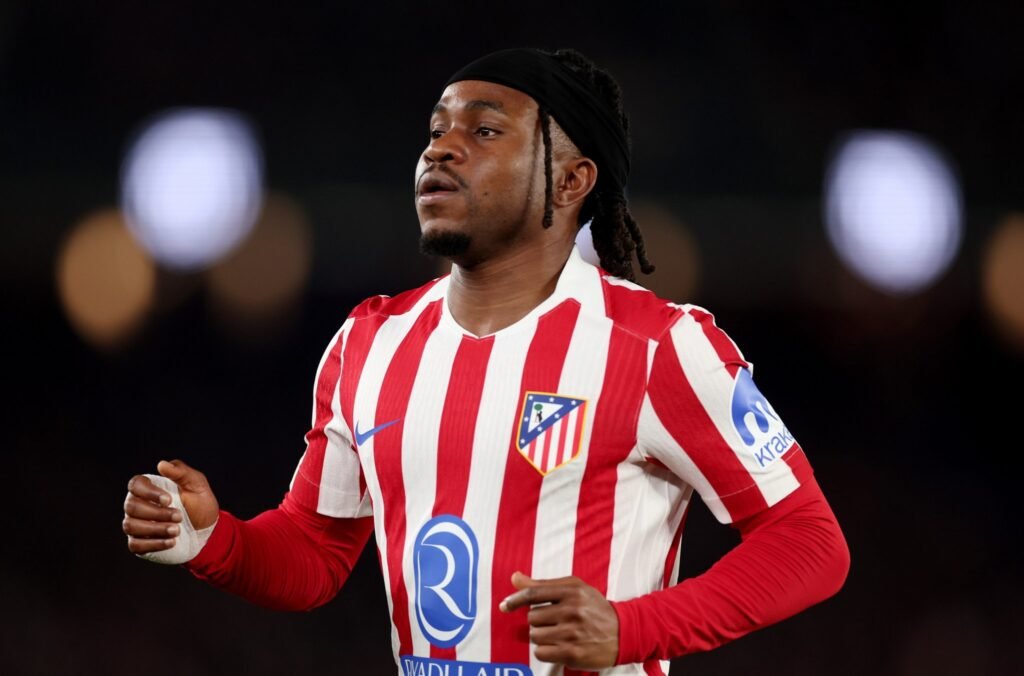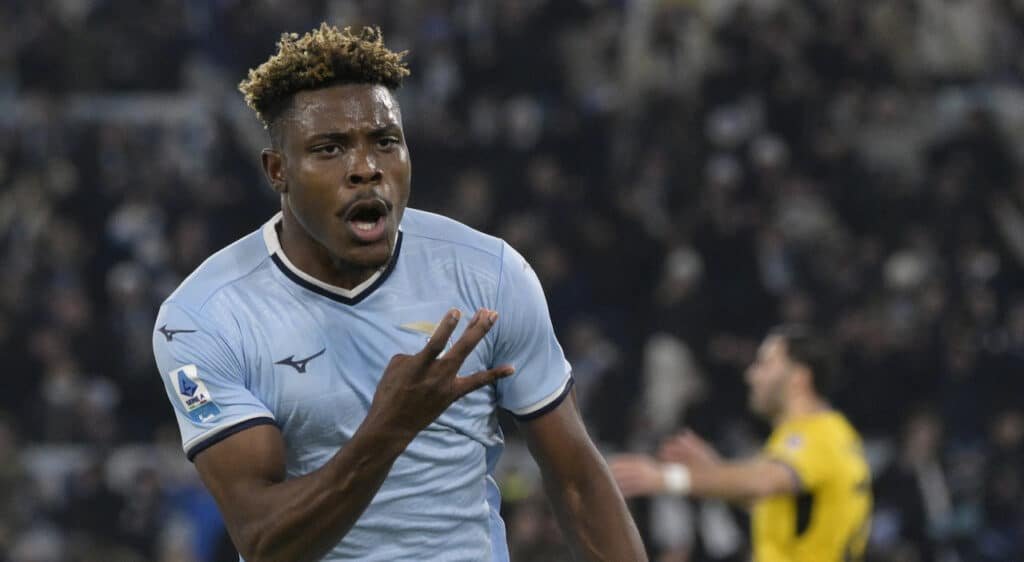
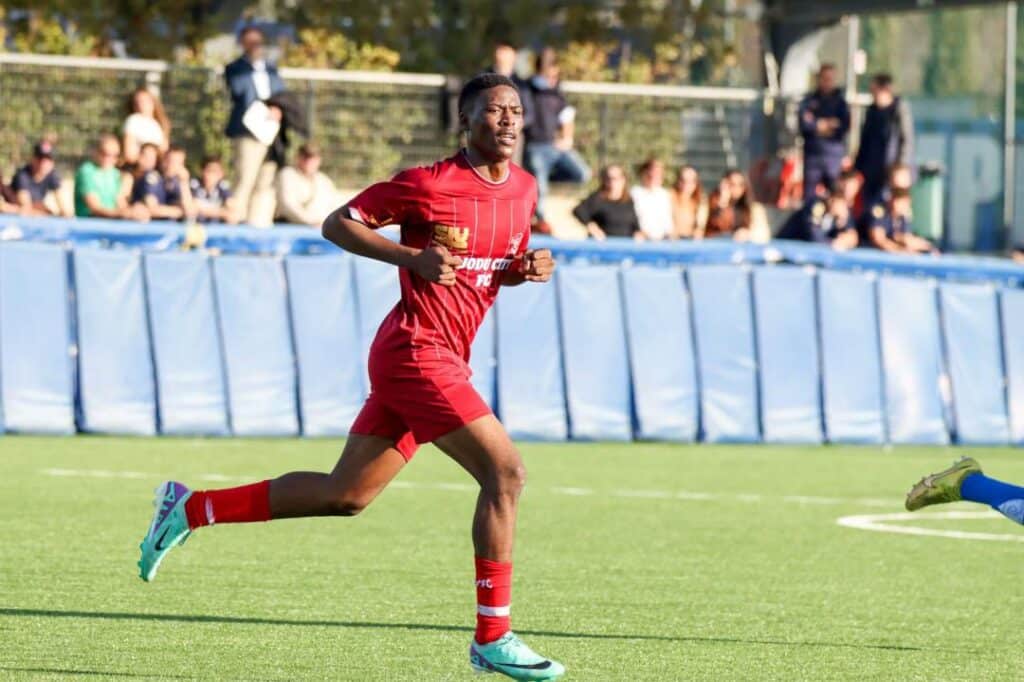
Raheem Sterling called him personally. Chelsea wanted to sign him. Hafiz Ibrahim said no. He chose a French club in Ligue 2 instead, because he believed it was the right environment to develop. He was playing football on the dusty streets of Kano not very long ago. Today, he is scoring in the Coupe de France semi-finals. This is the kind of story Nigerian football produces and then forgets to celebrate loudly enough.
From the Streets of Kano to Ligue 1
Ibrahim grew up playing football on the streets of Kano, Nigeria’s largest northern city and a passionate football hub. Street football in Kano is intense. The city has produced many Super Eagles players, fierce local club rivalries, and a unique football culture that differs from European academies. Here, Ibrahim sharpened his instincts and movement. The route from Kano to France is not one that had been mapped before him. When Reims made their approach in the summer of 2024, Ibrahim joined their reserve team first, competing in the Championnat National 3, France’s sixth tier of professional football. This transition marked a crucial period—where patience is tested, and young players from West Africa either adapt to European training environments and physical demands or are sent back. Ibrahim adapted rapidly.Why He Said No to Chelsea
Ibrahim has not made a detailed public statement about the specific reasons for rejecting Chelsea’s approach, beyond confirming that it happened and that he believed Reims was the right environment for his development. Reading between the lines, the decision reflects a calculation becoming more common among young African players navigating the European market: the risk of joining a Premier League club with a large squad, deep competition for places, and limited first-team opportunities outweighs the prestige of the badge on the shirt.
At Chelsea in 2024, Sterling himself was struggling for consistent starts despite his enormous reputation. The club had assembled a squad of over 30 senior players through their post-Todd Boehly acquisition spree, making the pathway to the first team extremely unclear for a Nigerian teenager arriving with no prior European experience. Reims, by contrast, offered a clear development track through the reserve system into first-team appearances, with the club’s history as a producer of young talent making the promise credible.
Want our football coverage to show up first?
Add FootballInNigeria as a preferred source and our stories get a "Preferred" badge in your Google Top Stories, AI Overviews, and AI Mode results.
— Hafiz Ibrahim, Stade de Reims pre-match press conference, March 2026
The Nigeria Call-Up Question
Ibrahim has not yet been capped by Nigeria at any level, senior or youth. He is 20 and playing senior club football in France’s second division after Reims’ relegation from Ligue 1. That combination, young, uncapped, scoring in cup semi-finals, playing in a monitored European league, is the precise profile the NFF should be tracking for potential Flying Eagles or senior squad consideration.
His development at Reims this season, whether that involves a return to Ligue 1 at the end of the current campaign or a move to another club, will determine his timeline. But the talent is clearly there. Chelsea thought so. Raheem Sterling thought so much to make a personal phone call. The NFF should at minimum be aware of a 20-year-old Nigerian forward who turned down Premier League interest in favour of a deliberate, patient development path in France.
Hafiz Ibrahim made what appeared to be an unusual choice when he turned down Chelsea. In hindsight, it looks like a very good one. He got senior club football in France within months. He made his Ligue 1 debut at 19. He scored in a cup semi-final at the Stade Auguste Delaune. He is now in a Ligue 2 environment that will give him 40+ competitive appearances this season against professional opponents. None of that would have happened at Chelsea.
The broader lesson is one that Nigerian players and their families are increasingly learning to apply: the name of the club matters less than the opportunity within it. Joining a top-six Premier League club at 19 with no European experience and no established pathway to the first team is a trap, not an opportunity. Joining a French club that will actually play you is a development tool.
Ibrahim made the right choice. He is playing. He is growing. And he is still only 20. There is plenty of time for the big stage to come. The foundation he is building in Champagne is the right one to build it on.
FootballInNigeria.com.ng will track Ibrahim’s progress in Ligue 2 and his potential national team trajectory. Fans can follow all Nigerian players across European leagues through our International Nigerian Footballers section, and wager on Ligue 2 and French Cup fixtures through Bet9ja’s platform, with 170% accumulator boosts and up to N100,000 on first deposit.
- Stade de Reims is one of France’s most historically significant football clubs, having won the French top-flight title six times, most recently in 1962. They were also runners-up in two European Cup finals in 1956 and 1959, the latter against Real Madrid in one of the most iconic matches in European football history. The club has a long tradition of developing and promoting young talent through its academy.
- Raheem Sterling, who personally contacted Ibrahim to encourage him to sign for Chelsea, was at the club during the summer of 2024 but struggled for consistent playing time under successive managers. Sterling was eventually loaned to Arsenal for the second half of the 2024/25 season before his Chelsea contract expired. His call to Ibrahim was therefore made by a player himself who had experienced the frustrations of squad depth issues at a Premier League club.
- Kano, the city Ibrahim grew up in, is Nigeria’s third-largest city and the commercial capital of northern Nigeria. It has a passionate, deeply embedded football culture and has produced several notable Nigerian internationals, including Rabiu Ali and Ahmed Musa, the latter of whom became one of Nigeria’s most-capped players before retiring from international football.
- The Coupe de France semi-final in which Ibrahim scored, against Cannes in April 2025, was one of the most significant matches in Reims’ recent cup history. Their run to the semi-final in a season when they were also fighting relegation from Ligue 1 reflected the kind of squad depth and competitive resilience that Ibrahim’s late-season contributions helped to sustain.
- The Championnat National 3, where Ibrahim began his Reims career in the reserves, is the sixth tier of French football and operates at a regional level. It is the standard entry point for players joining French clubs from outside Europe who need time to adapt to the French football environment before progressing to the professional senior squad.
- Chelsea’s squad depth crisis during the 2024 summer window, when they were pursuing Ibrahim, was one of the most discussed issues in English football. The club had signed over 20 players in the two years since the Todd Boehly takeover, creating a bloated squad in which young players had extremely limited first-team opportunities, while several senior players were seeking loan exits.
- Ligue 2, the division in which Ibrahim currently plays following Reims’ relegation, is France’s second professional tier and operates at a consistently high level compared to many second divisions across Europe. It has produced multiple players who went on to significant Ligue 1 and European careers, making it a credible and well-regarded development environment for young forwards of Ibrahim’s profile.