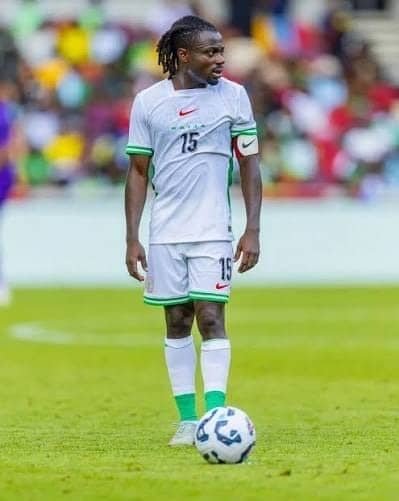
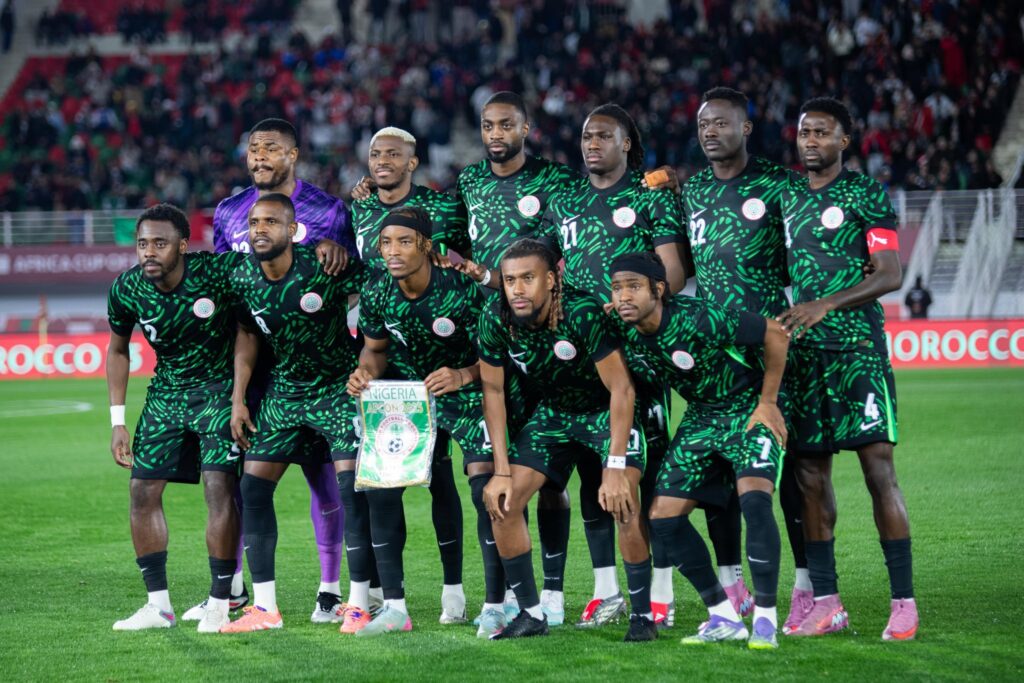
FIFA hasn’t ruled on Nigeria’s eligibility dispute with DR Congo yet. But if the Super Eagles win through, a supercomputer simulation drops them straight into Group K with Portugal, Colombia, and Uzbekistan — and it’s a group they can navigate.
The FIFA ruling on Nigeria’s World Cup eligibility protest is still pending. But football doesn’t wait for paperwork. While the legal process grinds on, a supercomputer simulation has already run the numbers on what happens if the Super Eagles win the inter-confederation playoff and step onto the biggest stage in football this summer. The result? Group K. Portugal. Colombia. Uzbekistan. And a genuine path to the knockout rounds.
This isn’t a routine group draw. Portugal is among the most technically gifted sides in world football, even in a post-Ronaldo evolution phase. Colombia, ranked higher than Portugal by Opta’s power model, brings elite quality through Luis Diaz and others. But the group is not impenetrable. And Nigeria, if they get there, arrives with enough quality to make it deeply competitive.
Want our football coverage to show up first?
Add FootballInNigeria as a preferred source and our stories get a "Preferred" badge in your Google Top Stories, AI Overviews, and AI Mode results.
Group K: Breaking It Down
| Team | Opta Rating | Key Threat |
|---|---|---|
| Portugal | 87.0 | Technical midfield, Bruno Fernandes |
| Colombia | 89.5 (est.) | Vertical pace, Luis Diaz |
| Uzbekistan | 70.4 | Organised press, Abdukodir Khusanov |
| Nigeria (if qualified) | TBC | Osimhen, Lookman, Iwobi |
The simulation’s consensus is clear: Portugal and Colombia are favourites to advance. Most analysts have the two European/South American giants progressing from Group K, with Uzbekistan and the playoff winner battling for scraps. But “consensus” doesn’t win football matches. Nigeria knows that better than anyone.
Portugal: Beatable, Not Unbeatable
Portugal without Ronaldo as the focal point is a different proposition from the Portugal of five years ago. The team is technically excellent, but their defensive recovery against pace-driven opponents has been a recurring vulnerability. At 40, Cristiano Ronaldo still carries an enormous presence, but the squad is in transition.
Nigeria’s greatest weapon against Portugal would be verticality. Victor Osimhen attacking space behind the defensive line, and Ademola Lookman cutting inside from the left, forces Portugal’s centre-backs into the kind of recovery running that exposes them most. This isn’t fantasy. It’s the blueprint that’s troubled Portugal repeatedly in recent internationals.
Colombia: The Harder Fixture
Colombia is ranked above Portugal by several statistical models heading into the tournament. Luis Diaz at Liverpool is playing the best football of his career. James Rodriguez, depending on fitness, adds an unpredictable, creative dimension. Colombia is not just technically strong but physically relentless in how they press and transition.
Nigeria vs Colombia could be the defining match of the group. Both nations play with high energy and directness. The outcome of that fixture, more than any other, would likely determine whether the Super Eagles finish second or third in Group K.
Uzbekistan: The Three Points Nigeria Must Have
Ranked 55th in the world and managed by Italy legend Fabio Cannavaro, Uzbekistan is organised and disciplined. But they aren’t a side Nigeria should fear. Their centre-back, Abdukodir Khusanov, of Manchester City, gives them a solid defensive spine, but their attacking output at the international level against top African sides is limited.
A win against Uzbekistan would be the baseline requirement. Drop points there, and the group becomes a crisis. Take the three points, and the path to a Round of 32 place as one of the best third-placed teams becomes entirely realistic, even if Portugal and Colombia take the automatic qualifying spots.
The Players Who Would Make This Real
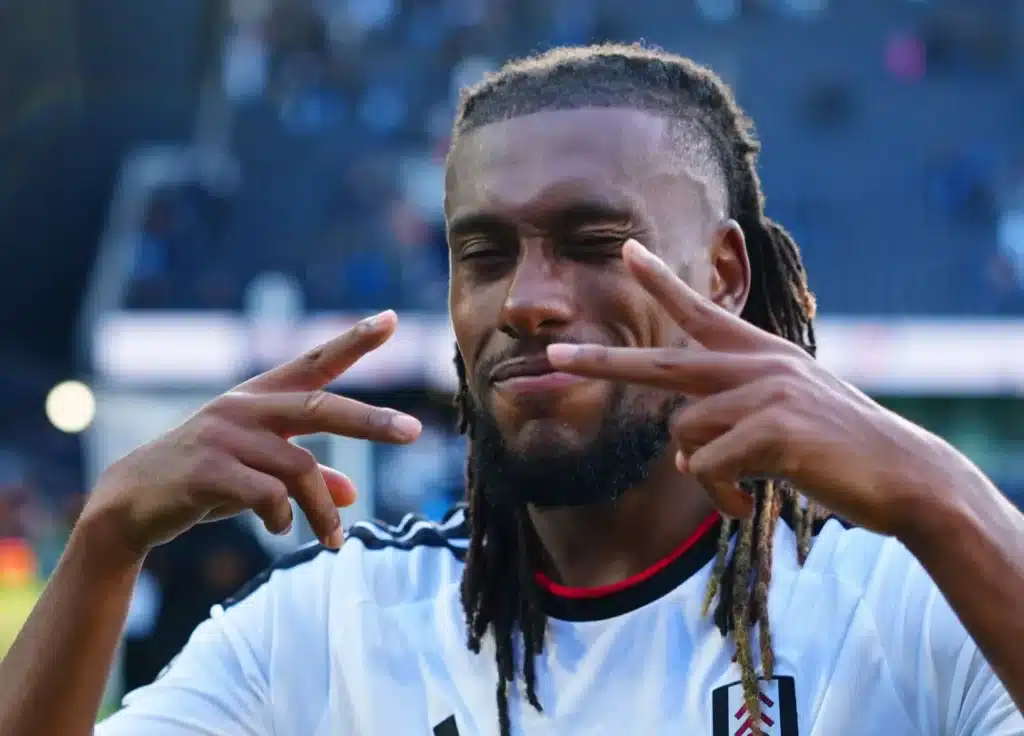
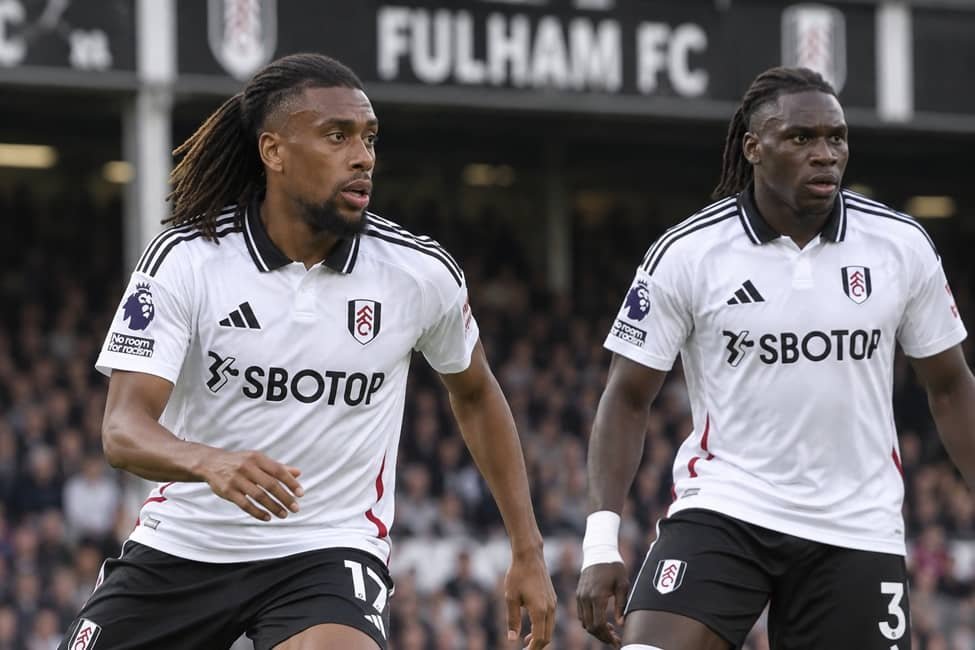
None of this analysis means anything without the players to execute it. Victor Osimhen, currently at Galatasaray and among the most dangerous centre-forwards on the planet, would be the focal point. Ademola Lookman, who scored a hat-trick for Atalanta in the Europa League final, brings European pedigree and big-game temperament. Alex Iwobi’s current form at Fulham makes him a reliable, experienced presence in the middle of the park.
The defence is where questions linger. Calvin Bassey and Semi Ajayi are experienced but have faced scrutiny for consistency at the club level. Against Portugal and Colombia, Nigeria’s back four would face the sternest tests. If goalkeeper Stanley Nwabali reproduces his AFCON 2025 heroics, Nigeria’s defensive floor rises significantly.
Editorial: Should Nigeria Be Excited or Realistic?
Both. That’s the honest answer. The FIFA ruling hasn’t come. The playoff hasn’t been played. There are multiple hurdles between this supercomputer simulation and an actual Super Eagles dressing room in the United States in the summer of 2026. Nigerian football fans have been burned before by premature excitement.
But the simulation isn’t wrong to suggest Nigeria would be competitive in Group K. This current Super Eagles generation, built around Osimhen and Lookman, is not without genuine quality. They finished as AFCON 2025 runners-up. They have players performing at the highest level in the club. If they arrive at the World Cup tournament-hardened and tactically organised under Eric Chelle, they won’t simply be there to make up the numbers.
Portugal won’t be looking at this group and laughing at Nigeria’s name on the fixture list. That’s a fact worth sitting with.
For fans already building World Cup accumulators around Nigeria’s potential fixtures, the Bet9ja promotion code offers up to ₦100,000 on first deposit with 170% boosts on multi-leg World Cup wagers — making Nigeria vs Portugal one of the most compelling fixtures to back early for strategic value.
What Happens Next
The FIFA ruling on the Nigeria-DR Congo eligibility dispute is expected in the coming weeks. If it goes Nigeria’s way, the inter-confederation playoff takes place in March 2026. Win that, and Group K awaits. The supercomputer has done its homework. Now Nigeria needs to do theirs.
📌 Did You Know?
- The 2026 FIFA World Cup is the first to feature 48 teams across 12 groups of four, with the eight best third-placed teams also qualifying for the Round of 32, meaning finishing third in Group K is not necessarily an elimination.
- Nigeria’s last appearance at a FIFA World Cup was in 2018 in Russia, where they reached the group stage but were eliminated after losses to Croatia and Argentina, with a win over Iceland their only victory.
- Colombia’s Luis Diaz, who would be Nigeria’s toughest Group K opponent, was born in Barrancas, Colombia, and joined Liverpool for £37.5 million in January 2022, becoming one of the Premier League’s most dangerous wide forwards.
- Portugal manager Roberto Martinez previously managed Belgium and Everton in the Premier League and is known for building teams that play structured, possession-based football with quick transitional phases.
- Uzbekistan’s manager for the 2026 World Cup is Italian legend Fabio Cannavaro, the 2006 World Cup winner and former Ballon d’Or holder, who has worked extensively in Asian football management since retiring as a player.
- Victor Osimhen became Galatasaray’s most expensive player signing in the club’s history when he joined on loan from Napoli, and his Champions League goals this season have reinforced his standing as one of the world’s elite strikers.
- The 2026 World Cup tournament is being co-hosted by the United States, Canada, and Mexico, with matches spread across 16 venues, making it the largest World Cup in history by territory covered.