
FIFA is now actively planning for a world without Iran at the 2026 World Cup, with Iraq and the UAE identified as potential replacements — but Nigeria’s unresolved DR Congo eligibility protest means the Super Eagles’ own path to the tournament remains agonisingly unclear.
FIFA Moves on Iran. Nigeria Waits for Anything.
FIFA is making contingency plans. A senior official at world football’s governing body has confirmed that two replacement scenarios are being explored in the event that Iran withdraws from the 2026 FIFA World Cup, citing the escalating military conflict between the country and the United States, the host nation of this summer’s tournament.
Those scenarios: either Iraq, who could still qualify through the AFC intercontinental playoff, or the UAE, who narrowly missed out on direct qualification, would step in to fill Iran’s spot in Group G.
Want our football coverage to show up first?
Add FootballInNigeria as a preferred source and our stories get a "Preferred" badge in your Google Top Stories, AI Overviews, and AI Mode results.
For Nigeria, watching all of this unfold from the sidelines, the developments carry a particular frustration. The Super Eagles have their own unresolved World Cup business. And FIFA’s silence on it is becoming harder to ignore.
Iran’s Situation: How Serious Is It?
Iran Football Federation President Mehdi Taj addressed the nation’s participation question publicly last week, speaking on IRIB Channel 3. His words weren’t a withdrawal, but they weren’t reassurance either.
Iran qualified for the tournament by topping their AFC qualifying group. They’re drawn in Group G alongside Belgium, Egypt, and New Zealand, with group matches scheduled in Los Angeles and Seattle — two American cities that would require Iran’s players to travel to the country their government is at war with. The logistical and political obstacles are obvious.
Sports journalist Gary Al-Smith, reporting from within FIFA circles, confirmed the governing body is no longer treating Iran’s participation as guaranteed. “FIFA official tells me they are looking into what happens should Iran boycott the 2026 World Cup,” Al-Smith posted on X. “Two scenarios are possible: either Iraq, who could qualify anyway via the continental play-off later this month, or the UAE, who missed out on qualification, could take the spot.”
Nigeria’s Waiting Game
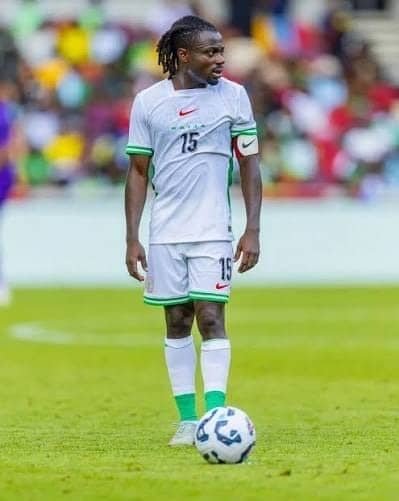
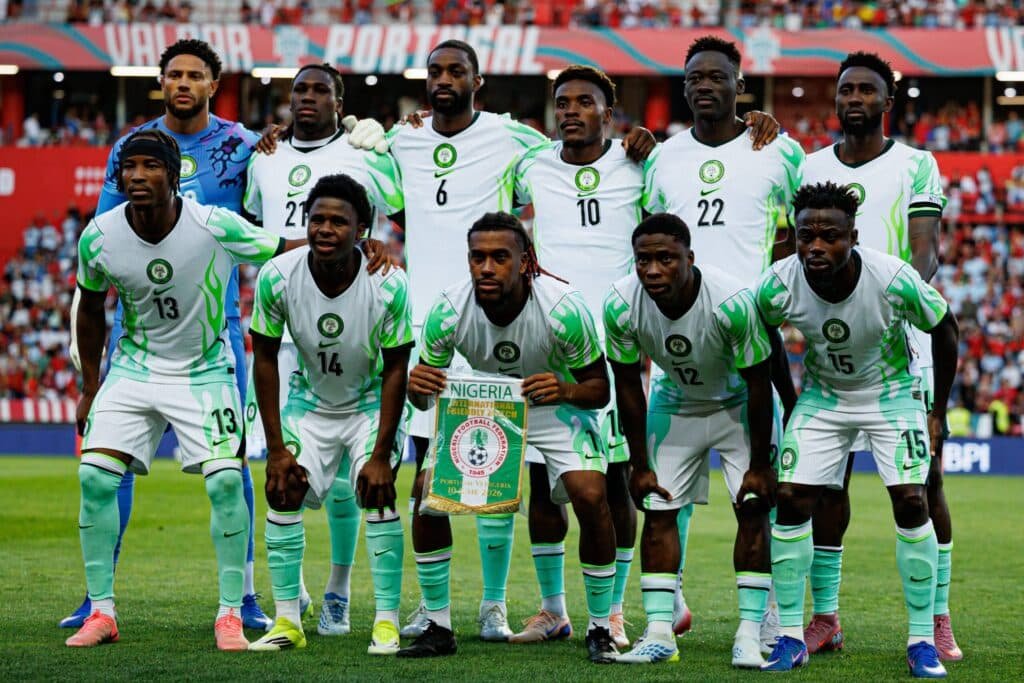
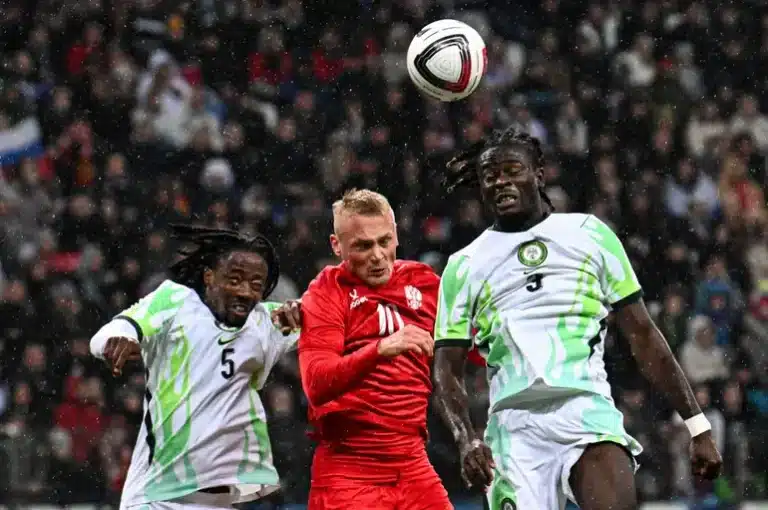
Now to the part of this story that matters most to Super Eagles fans. Nigeria filed a protest against DR Congo after losing the Africa-Europe intercontinental playoff final in November, questioning the eligibility of certain DR Congo players. That protest — which could, if upheld, give Nigeria another path to the 2026 World Cup — remains outstanding.
NFF officials have confirmed their concern about the delay. The intercontinental playoffs, which determine the World Cup’s remaining spots, are now scheduled to begin in roughly three weeks. Nigeria needs FIFA to rule on their protest before those fixtures get underway, or the window for any meaningful outcome closes.
- Nigeria lost the Africa-Europe intercontinental playoff final to DR Congo in November 2025
- The NFF filed an eligibility protest against DR Congo players after the result
- FIFA has not yet ruled on the protest
- The next intercontinental playoff round begins in approximately three weeks
- NFF officials say the delay “has given them reasons to be worried”
The two situations, Iran’s potential withdrawal and Nigeria’s protest, are not directly connected. But they both sit in FIFA’s in-tray at the same time. And the concern in Abuja is that while FIFA is busy managing the geopolitical fallout from Iran’s possible boycott, Nigeria’s eligibility case gets deprioritised in the process.
Analysis: What Nigeria Actually Needs From FIFA Right Now
The Iran situation is generating global headlines. FIFA’s public communications have been dominated by it. That’s understandable — a World Cup host at war with a qualified participant is not a scenario football’s administrators have faced in the modern era.
But Nigeria’s protest isn’t a footnote. If the eligibility complaint against DR Congo’s players is upheld, it directly alters who represents Africa in the intercontinental round. FIFA knows this. The NFF knows this. What’s unclear is whether FIFA is treating it with the urgency the timeline demands.
There’s also a harder truth here. Nigeria has previously relied on external decisions to potentially revive its World Cup hopes — and those decisions have historically not gone its way. The DR Congo protest was always a long shot. Every week that passes without a ruling makes it longer. Nigerian fans have learned to hold hope loosely when it comes to FIFA decisions. But with so much riding on this — the first World Cup on US soil, potentially featuring Nigeria — even a loosely held hope is hope. Punters tracking Nigeria’s World Cup odds can find competitive markets on the Bet9ja current promotion, which offers enhanced odds structures on international football outcomes.
The Countdown Is Real
The 2026 FIFA World Cup begins in June. The intercontinental playoff round — the last remaining qualification gate — is approximately three weeks away. Nigeria’s window for any protest-related reprieve is narrowing by the day.
For now, Eric Chelle’s squad is preparing for the March friendly window as though the World Cup is already decided and preparation for future campaigns is the priority. That’s the professional approach. But every Nigerian football fan knows that a favourable FIFA ruling changes everything — and that ruling could still come.
FIFA has the power to act quickly when it chooses to. Whether it chooses to be here, and when, is the only question that remains.
📌 Did You Know?
- Iran has qualified for four consecutive FIFA World Cups, making it one of Asia’s most consistent qualifiers in the modern era — a boycott would end that run at the most politically charged tournament in recent memory.
- Group G at the 2026 World Cup, where Iran are currently drawn, includes Belgium, Egypt, and New Zealand — four very different footballing cultures brought together by the geography of the draw, not by rivalry.
- The UAE last appeared at a FIFA World Cup in 1990, meaning their potential return as an Iran replacement would mark a 36-year absence from the tournament’s main stage.
- Iraq, the other named replacement option, has never played at a FIFA World Cup senior tournament — qualifying via the intercontinental playoff would be a historic first for Iraqi football.
- Nigeria’s protest against DR Congo centres on the eligibility of players who appeared in the intercontinental playoff final in November 2025, under FIFA regulations governing international eligibility switches.
- The 2026 World Cup is co-hosted by the United States, Canada, and Mexico, with 48 teams competing for the first time — expanding the tournament from 32 teams means more spots available, yet Nigeria still missed direct qualification through the African pathway.
- Nigeria last appeared at a FIFA World Cup in 2018 in Russia, meaning a successful resolution to either the protest case or Iran’s withdrawal scenario would end an eight-year absence from the tournament.