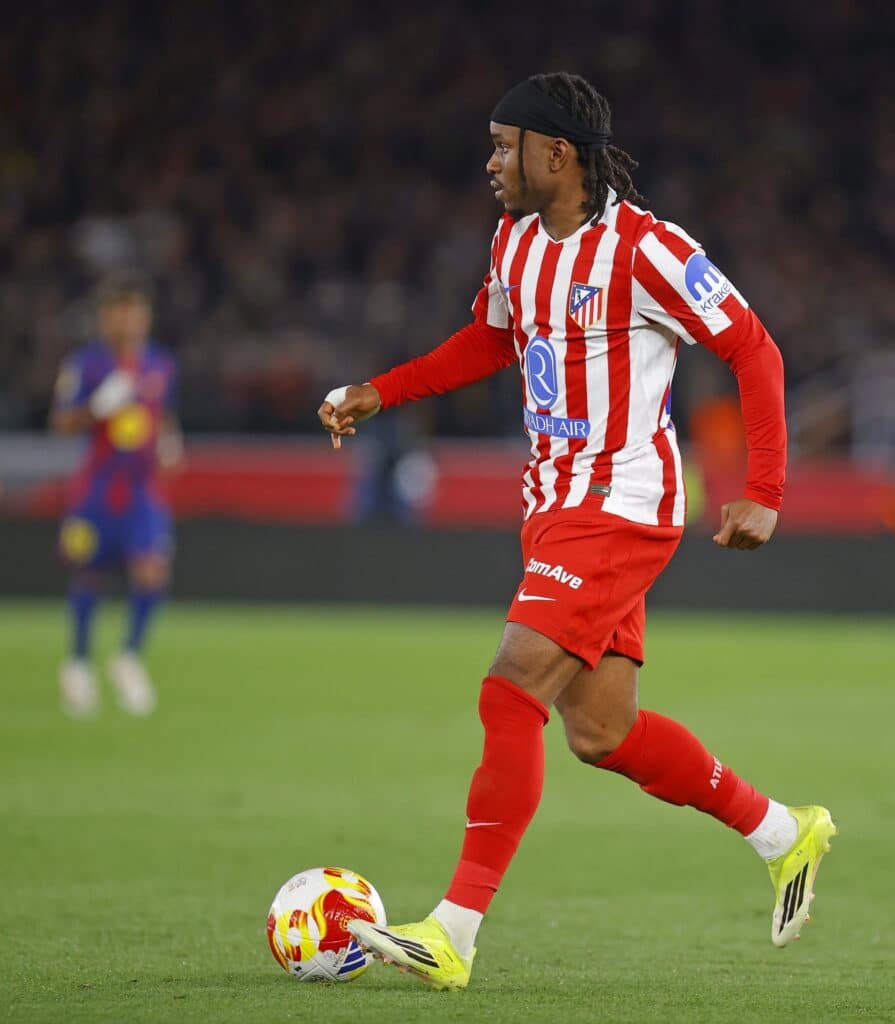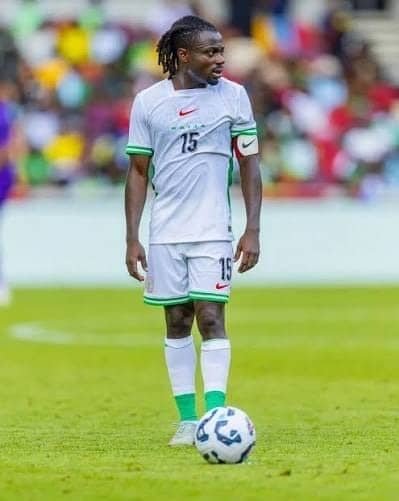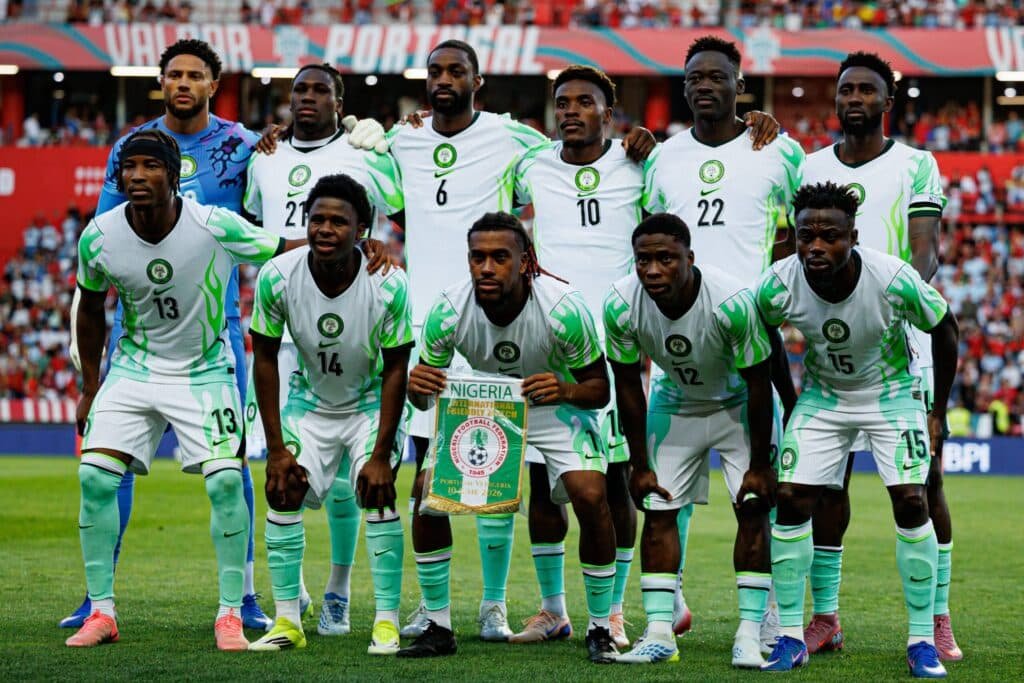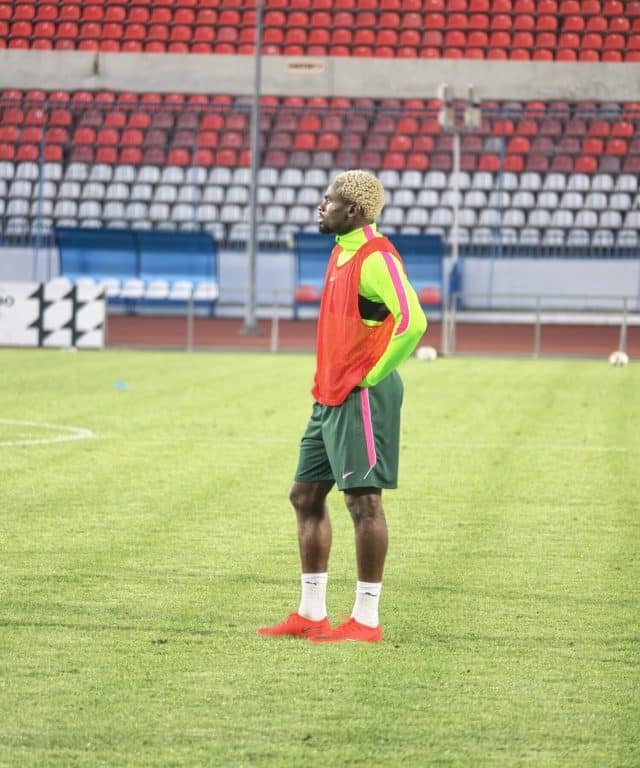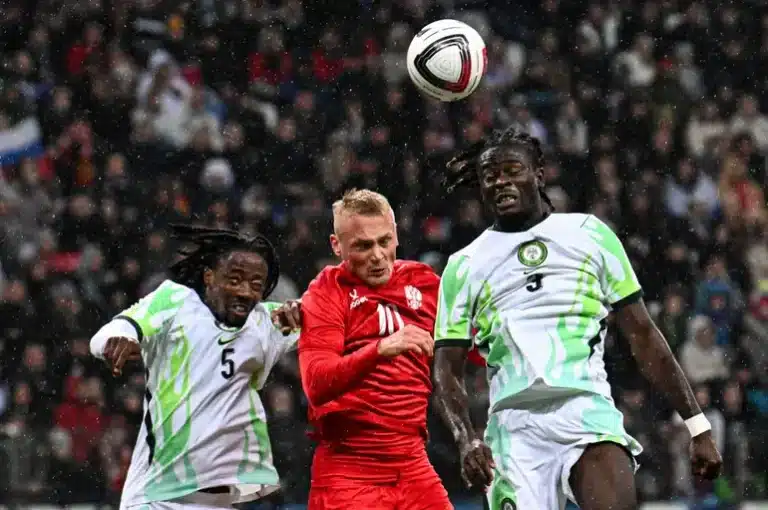

Super Eagles winger Ademola Lookman has voiced his dissatisfaction with the Confederation of African Football’s (CAF) decision to change the Africa Cup of Nations (AFCON) from a biennial to a four‑year cycle.
The Atalanta forward described the reform as “a shame” and “a disappointment” for both players and fans across the continent. CAF president Patrice Motsepe announced that AFCON will return to even‑numbered years and be held every four years from 2028, ending the two‑year rhythm that has been in place for decades.
Lookman acknowledged that the decision is irreversible but made it clear that he believes the shift weakens the tradition of the sport in Africa. “The decision has been made, we can’t really change it,” he said. “It is a shame as Africans are not able to get the tournament every two years like we are used to. It is a disappointment.”
Want our football coverage to show up first?
Add FootballInNigeria as a preferred source and our stories get a "Preferred" badge in your Google Top Stories, AI Overviews, and AI Mode results.
AFCON has been staged every two years since 1968, though it was moved to odd‑numbered years in 2013 to avoid clashing with the FIFA World Cup. The new four‑year cycle significantly reduces how often players can feature in the tournament during their careers.
Despite his criticism of the policy change, Lookman remains fully focused on Nigeria’s run at AFCON 2025 in Morocco. The Super Eagles topped their group with three victories and advanced to the last 16 with a perfect record.
Lookman emphasised the team’s determination: “We want to continue to win the games as we face everybody because if you want to win the tournament, you have to play the best team.”
Editorial
There is tradition, and then there is transformation; but when one confronts the other without apparent consultation, the rupture is felt most keenly by those who inhabit the game as both creed and culture. Ademola Lookman’s crisp rebuke of CAF’s switch to a quadrennial Africa Cup of Nations resonates not simply as the lament of a player, but as a palpable expression of discontent from a custodian of African football’s emotional heartbeat.
Lookman is no mere onlooker he is one of his generation’s most dynamic figures, a winger whose career arc mirrors the aspirations of a continent eager for global prestige. To hear him lament the loss of AFCON’s biennial cadence a rhythm that once punctuated African life every other year is to glimpse the deeper significance of the tournament beyond its pitch markings. It is a cultural fixture, woven into the very fabric of community, identity and pride.
CAF’s rationale, presented under the banner of calendar harmonisation and strategic restructuring, is not without logic in a congested global game. Yet logic divorced from heritage risks alienation. The history of AFCON is not merely a ledger of dates and trophies it is a chronicle of collective memory, where each edition breathes a unique narrative into African football’s rich tapestry.
Lookman may have accepted that the decision “cannot be changed,” but his words underscore a broader unease that African football’s rhythm is being reordered in ways that may diminish opportunity and dilute tradition. For the Super Eagles, for the fans in Morocco this winter, and for the wider tapestry of African football, the challenge now is to reconcile the vigor of present ambition with respect for the legacies that have made AFCON a continental celebration for generations.
Did You Know?
- AFCON’s Lengthiest Run Between 1968 and 2013, the Africa Cup of Nations was held every two years, a format that helped smaller nations play competitive football and gain exposure on the continental stage.
- New African Nations League To fill the gap left by AFCON’s new four‑year cycle, CAF plans to introduce an African Nations League beginning in 2029 to provide more competitive fixtures.
- Record Appearances Will Be Hard to Match Under the new schedule, it will be extremely difficult for future players to match the existing record of eight AFCON appearances — a mark held by players like Andre Ayew and Youssef Msakni.
- European Influence Debate Critics of the change argue that European clubs and FIFA pressures influenced CAF’s decision a claim highlighted by commentators who see it as prioritising the global calendar over African priorities.
- Nigeria’s Group Stage Success — Lookman has had a strong AFCON 2025 campaign, contributing to Nigeria’s perfect group stage record as they progressed to the knockout rounds.