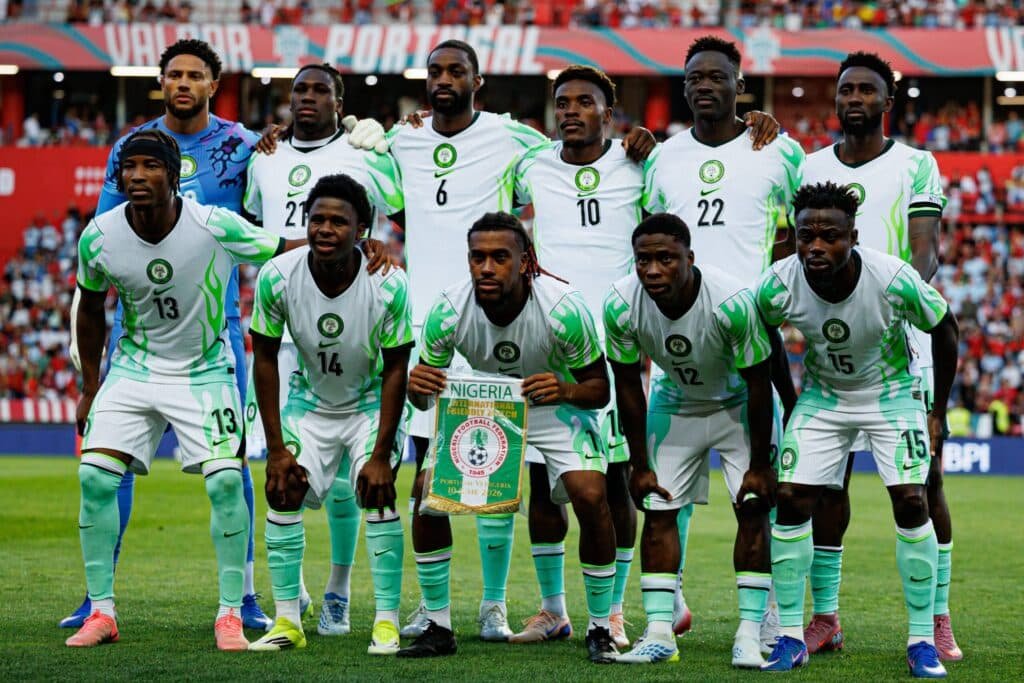

Nigeria’s AFCON 2024 campaign began with a point rather than three. Equatorial Guinea led, Osimhen equalised, and Owono’s goalkeeping kept the Super Eagles at bay in Abidjan. A result that set the tone for a tournament that would eventually end in a final.
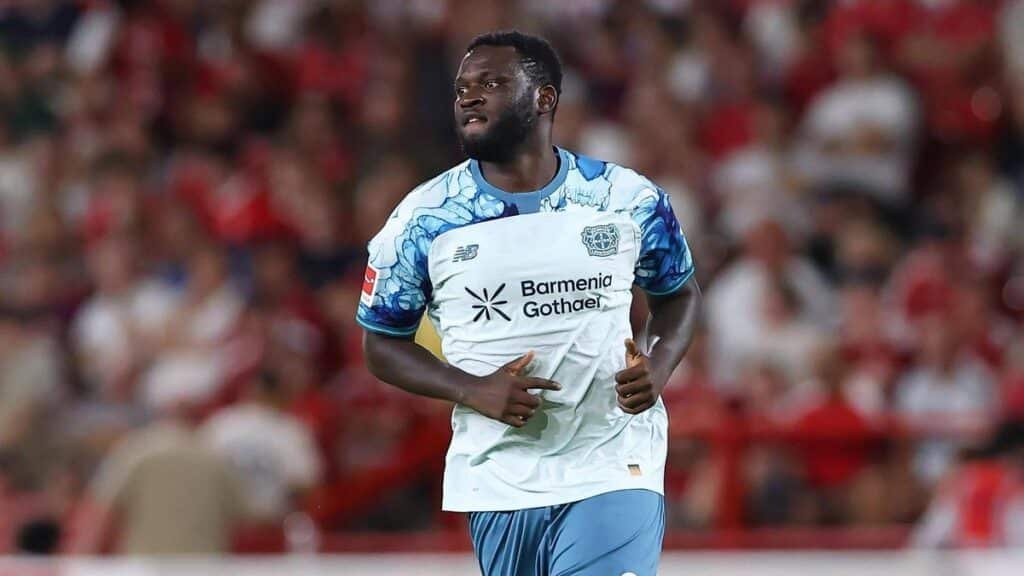
Nigeria arrived in Ivory Coast missing four players who would have started in any version of a fully fit Super Eagles squad. Victor Boniface, Wilfred Ndidi, Kelechi Iheanacho, and Sadiq Umar were all absent through injury. Jose Peseiro knew the opening match against Equatorial Guinea would be harder than the fixture looked on paper. The man still had Victor Osimhen up front, which gave Nigeria every right to expect a win. They didn’t get one.
Want our football coverage to show up first?
Add FootballInNigeria as a preferred source and our stories get a "Preferred" badge in your Google Top Stories, AI Overviews, and AI Mode results.
The Alassane Ouattara Stadium in Ebimpe was full, loud, and charged with the particular electricity that an opening AFCON match always carries. Nigeria fans in the crowd expected their team to dominate. Equatorial Guinea’s players had other plans, and for large stretches of this match, they delivered on those plans in impressive fashion.
The Absentees That Changed Everything
The absence of Ndidi was felt most acutely in the defensive midfield position. He is the player who gives Nigeria its press resistance and its ability to protect the back four under sustained pressure. Without him, Equatorial Guinea were able to carry the ball into dangerous areas during the first half with a comfort they would never have enjoyed with the Leicester midfielder patrolling in front of the defence.
Nwabali’s Starting Berth: The Right Call
One of Peseiro’s significant decisions before kick-off was to start Stanley Nwabali in goal rather than Francis Uzoho, who had faced criticism in the build-up to the tournament. Nwabali, at the peak of his powers with Chippa United in South Africa, was sharp and commanding throughout. He made several key saves in the second half to keep Nigeria in the match when Equatorial Guinea threatened.
The decision proved sound. Nwabali went on to become one of Nigeria’s players of the tournament. That journey began here, stepping in under pressure and not looking remotely out of his depth against a determined opponent.
How the Match Unfolded
The Man Who Stopped Nigeria: Owono
Jesus Owono deserves his own paragraph. The Equatorial Guinea goalkeeper produced a performance that belonged in a different conversation from the one usually had about AFCON goalkeepers from smaller nations. He was commanding in the air, brave in one-on-ones, and made at least three saves in the second half that kept Nigeria from taking all three points.
Osimhen, for all his quality, was denied repeatedly by a man who simply refused to be beaten that evening. The missed chance in the 4th minute, the wasted header, the 76th-minute effort that Owono blocked with his legs. This was a goalkeeper at the absolute top of his game against the most dangerous finisher on the continent.
Player Assessments
This result looked worrying in the moment. A draw against Equatorial Guinea, four key absentees, a goalkeeper error gifting the opposition the lead. Nigeria fans on social media were fractious before the final whistle.
In hindsight, knowing what followed, this match looks different. It was the night Peseiro’s squad showed collective character for the first time. They went behind. They equalised within two minutes. They kept pressing against a goalkeeper who was unbeatable on the night. That is not a team that is broken. That is a team that might be difficult to stop once it finds its rhythm.
Nigeria went on to beat Guinea-Bissau, Cameroon, Angola, and South Africa before losing to the hosts Ivory Coast in the final. None of that run looked inevitable after 90 frustrating minutes on January 14. This was the opening chapter of a tournament story that turned out to be much longer and more extraordinary than anyone expected.
Nigeria’s journey to the AFCON 2024 final and their current push for the 2026 World Cup make this one of the most exciting periods in Super Eagles history. Fans backing Nigeria’s continued campaign can place wagers through the Bet9ja platform, offering 170% accumulator boosts and up to N100,000 on first deposit.
- Jesus Owono, the goalkeeper who kept Nigeria at bay, plays club football for Atlanta United in Major League Soccer, making him one of the few African goalkeepers in MLS to be recognised on a major continental stage.
- This was Nigeria’s third consecutive AFCON campaign where they dropped points in their opening match, having also drawn their first games at AFCON 2021 and AFCON 2019, suggesting that slow starts and deep tournament runs may be a Super Eagles pattern.
- Victor Osimhen’s equaliser was his fourth goal in five AFCON appearances at that point in his career, reinforcing his status as Nigeria’s most important tournament striker of his generation.
- The Alassane Ouattara Stadium in Ebimpe was opened in 2023 specifically for the AFCON 2024, with a capacity of approximately 60,000 making it one of the largest stadiums on the African continent.
- Equatorial Guinea held not only Nigeria but also the hosts Ivory Coast during the group stage, showing a level of defensive discipline that surprised most observers of African football.
- Alex Iwobi’s assist for Osimhen’s equaliser was his fifth direct goal contribution at AFCON across multiple tournaments, underlining his value to the Super Eagles in big matches.
- Stanley Nwabali went on to win the tournament’s Best Goalkeeper award by the time the final arrived, fully vindicating Peseiro’s bold selection decision that Nigeria fans had questioned before kick-off.