FIFA has rejected Nigeria’s petition against DR Congo, but the NFF is fighting on — and with the intercontinental play-offs beginning on March 26, time is almost up.
Nigeria’s hopes of reaching the 2026 World Cup are down to one final legal throw of the dice. The Nigeria Football Federation confirmed this week that the FIFA Disciplinary Committee has dismissed its petition against DR Congo, ruling that the Congolese federation followed all required administrative procedures in fielding their players during November’s African play-off final. The NFF is now appealing.
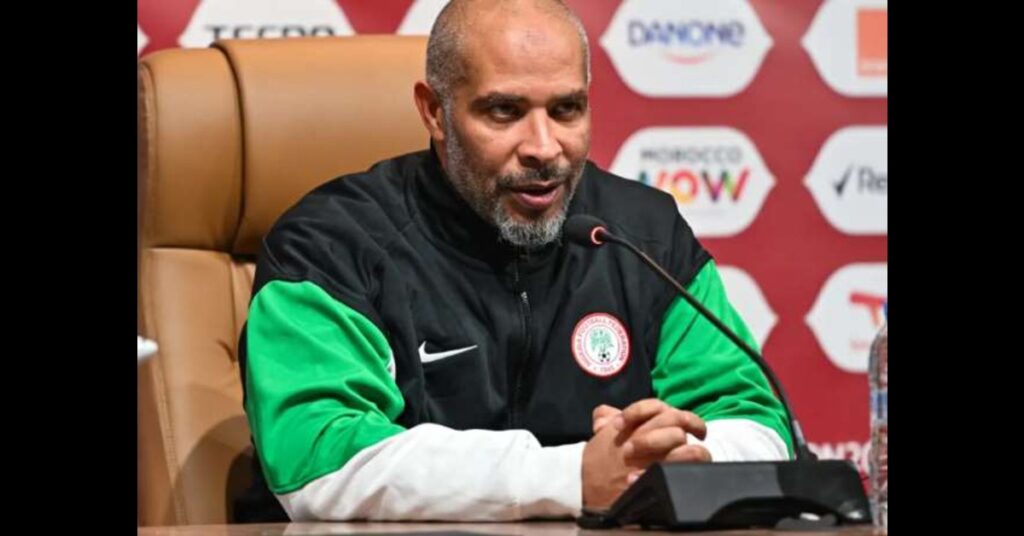
“We have received the decision of the FIFA Disciplinary Committee on our petition, but we are not satisfied with the decision, which rejected our petition,” said NFF general secretary Mohammed Sanusi. “I want to assure Nigerians that the NFF has immediately commenced the process of appealing the decision.”
The appeal is expected to land at the Court of Arbitration for Sport. Whether CAS can process and rule on it before DR Congo’s play-off fixture on March 31 is a question nobody has a clear answer to. The clock is moving fast, and with each passing day, Nigeria’s window to act narrows further.
How Nigeria Got Here
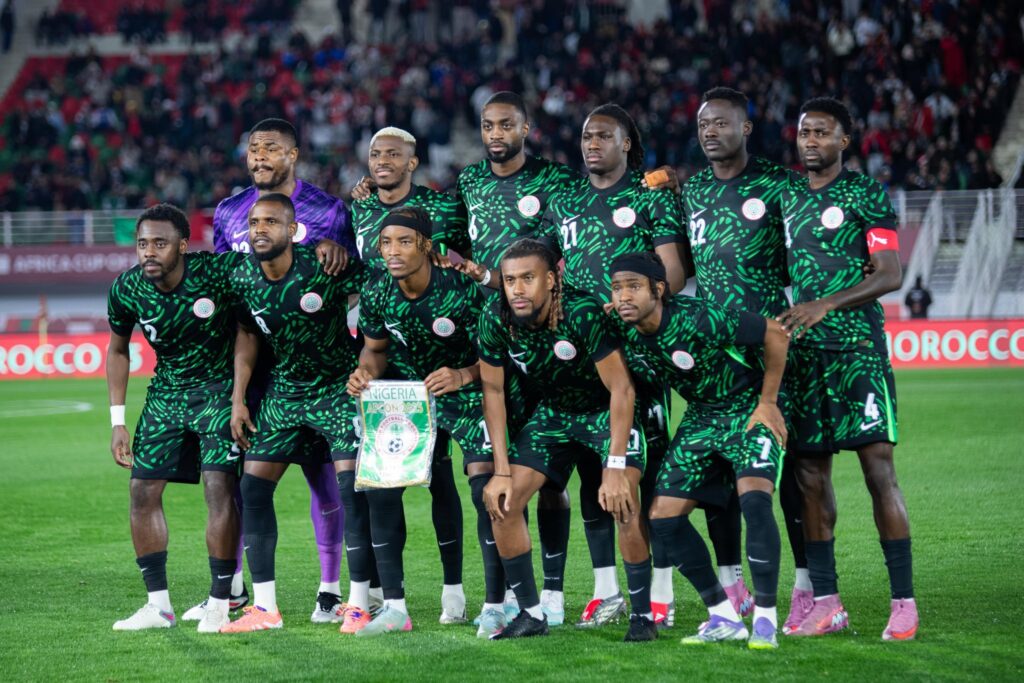
It started in Rabat on November 16, 2025. The Super Eagles and DR Congo played out a 1-1 draw over 120 minutes in the African play-off final, with the tie going to penalties. Nigeria lost 4-3 on spot kicks, a gut-wrenching exit that ended their qualifying campaign and left the country without a World Cup place for the third consecutive tournament.
Shortly after the defeat, the NFF filed a petition with FIFA alleging irregularities in the passport issuance that allowed certain DR Congo players to represent the Leopards. The federation’s argument centred on dual nationality law: the Congolese government does not recognise dual citizenship as a general rule, with the only exception being children born abroad who hold citizenship of their birth nation. The NFF argued that some of the players involved did not meet that threshold.
A Vanguard report later revealed a damaging detail that may have undermined the case from the start: the required protest fee of 1,000 Swiss francs was reportedly not paid, meaning FIFA’s judicial bodies may never have formally processed the petition at all. The NFF was reportedly notified of this issue as far back as March 9 but public confirmation only came this week.
What the NFF Is Saying Now
Sanusi’s language in his public statement was firm but measured. “We respect FIFA, but firmly disagree with this decision. Our duty is to defend Nigeria’s interest. We cannot overlook issues that may compromise transparency and credibility in such an important match.” He added that the NFF’s objective is not confrontation but clarity, and that the federation expects whatever appeals process follows to be thorough and fair.
FIFA, for its part, said DR Congo’s eligibility was based on possession of a valid passport and prior approval of a change of national association, criteria that it judged the Congolese side to have met in full. That position makes the NFF’s appeal path considerably harder.
The March 31 Deadline That Changes Everything
DR Congo are already at the intercontinental play-offs in Mexico, drawn to face the winner of Jamaica against New Caledonia on March 31 at the Estadio Akron in Zapopan. The tournament runs from March 26 to 31, with six nations competing for the final two spots at the 48-team World Cup. If CAS cannot rule before DR Congo play their fixture, the match will almost certainly go ahead and Nigeria’s appeal becomes academic.
Nigeria have not played at a World Cup since 2018. That eight-year gap is already the longest the country has gone without reaching the tournament since their debut in 1994. For fans who want to wager on how this legal drama ends, the Bet9ja promotion code YOHAIG unlocks up to 100,000 naira in bonuses for Nigerian bettors following the story closely. For now, the Super Eagles’ World Cup fate is in the hands of lawyers, not footballers, and the verdict could come at any moment.
📌 Did You Know?
- Nigeria’s first-ever World Cup appearance was at USA 1994, where they reached the Round of 16 before losing to Italy 2-1 in extra time — a match still considered one of the most controversial exits in Super Eagles history due to a contentious Roberto Baggio penalty.
- The 2026 FIFA World Cup will be the first edition to feature 48 teams, up from the usual 32, with matches spread across 16 host cities in the United States, Canada, and Mexico.
- DR Congo’s Leopards have qualified for the FIFA World Cup only once, at West Germany 1974, where they lost all three group games but made African football history as the continent’s first ever World Cup representative from sub-Saharan Africa.
- The Court of Arbitration for Sport, based in Lausanne, Switzerland, typically takes weeks or months to resolve cases through standard procedure, though emergency provisional measures can be granted in days if the urgency is sufficient.
- The intercontinental play-off format was introduced for World Cup 2022 and retained for 2026. For the expanded 48-team tournament, six nations compete for two final spots, with participants drawn from Africa, Asia, North America, South America, and Oceania.
- Nigeria’s November play-off loss to DR Congo came just months after a third-place finish at AFCON 2025, meaning the Super Eagles ended what should have been a strong qualification cycle with nothing to show in terms of the World Cup.
- Mohammed Sanusi has served as NFF general secretary since 2022 and has been the federation’s primary voice on the DR Congo eligibility dispute from the beginning, handling all official communications with FIFA throughout the process.