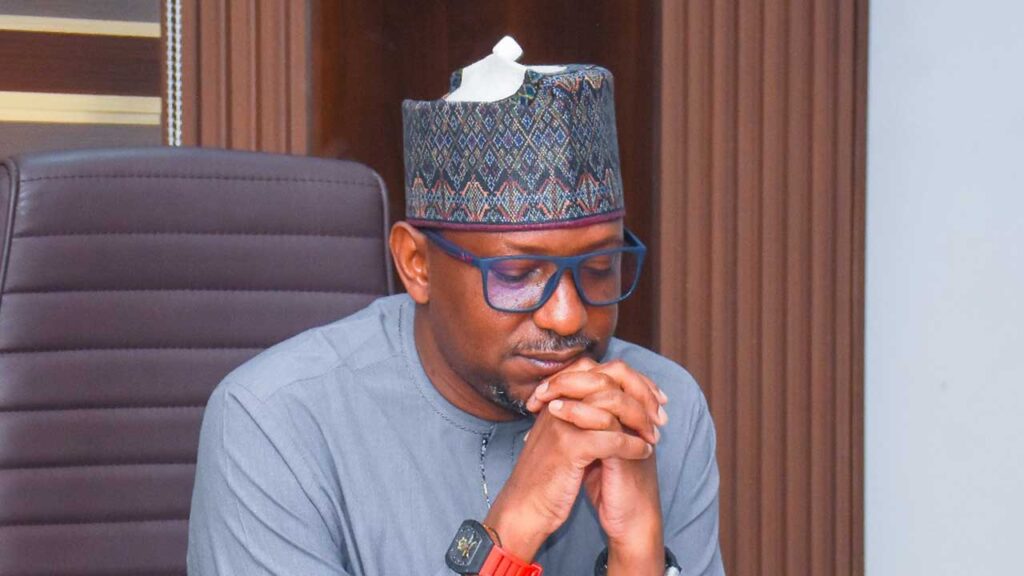
Shehu Dikko, Chairman of the National Sports Commission, used the 2026 NFF Extraordinary General Assembly in Yenagoa to deliver a pointed message: Nigerian football’s governing structures are overdue for a complete overhaul.
The Federal Government has issued its clearest call yet for a root-and-branch reform of how Nigerian football is governed. Speaking at the 2026 Extraordinary General Assembly of the Nigeria Football Federation, held in Yenagoa, Bayelsa State, Shehu Dikko, Chairman of the National Sports Commission, told assembled stakeholders that the sport can no longer afford to be administered under frameworks built for a different era. The message was direct: modernise or continue to fall behind.
For Nigerian football fans who follow both the off-field politics and the on-pitch action, the Bet9ja’s YOHAIG code remains one of the most practical resources available ahead of Super Eagles fixtures and domestic NPFL matches this season.
The assembly drew representatives from FIFA and the Confederation of African Football, a detail that underlines just how closely the international bodies are watching Nigeria’s football administration right now. The presence of both governing bodies at a domestic EGM is unusual, and it signals that the conversations taking place in Yenagoa are not simply internal housekeeping. The direction Nigerian football governance takes in the coming months has implications that extend well beyond the country’s borders.
The 2010 Statutes Are the Core Problem
At the heart of Dikko’s address was a specific target: the NFF Statutes that have been in place since 2010. Nigerian football has changed enormously since those rules were written. The league structure has evolved, the commercial landscape has shifted, Nigeria’s international profile has grown, and the expectations of fans and sponsors have risen substantially. Yet the foundational document governing how the NFF makes decisions, distributes resources, and holds officials accountable has not kept pace with any of it.
Dikko urged delegates to approach the review with seriousness and urgency, pushing for the adoption of contemporary governance standards that reflect what is now expected of a national football federation at the global level. Transparency and inclusivity were recurring themes in his address, with particular emphasis on broadening stakeholder representation in decision-making. The implication was clear: too many of the NFF’s critical decisions have historically been made by too few people, without adequate accountability to the wider football community.
As reported by FootballInNigeria.com.ng, Nigerian football has cycled through governance crises before, and the concern among observers is whether this EGM produces concrete structural change or whether the recommendations made in Yenagoa dissipate before they can be implemented. Fans who want to engage more with the football ecosystem while the governance debate unfolds can check out the Bet9ja bonus conversion guide for a useful breakdown of how to make the most of new user offers on Nigeria’s most popular betting platform.
Private Sector Investment Is the Other Missing Piece
Dikko also turned his attention to the financial model underpinning Nigerian football, calling for a significant increase in private sector participation. Government support has long been the primary funding source for the Super Eagles and affiliated national teams, but that dependence creates fragility. When government priorities shift or budgets tighten, football suffers. Dikko’s argument was that the economic potential of Nigerian football is substantial enough to attract serious private investment, but only if the governance structures make investors confident their money will be managed responsibly.
That is not an abstract point. Nigerian football has one of the largest and most passionate supporter bases on the African continent. The Super Eagles command audience figures across the country that rival any entertainment product. Commercial partners willing to attach themselves to that reach exist, but governance concerns have historically made serious long-term investment difficult to justify. A modernised NFF with transparent processes and genuine accountability would change that calculus significantly. New Bet9ja users looking to back Nigerian football can get started with Nigeria’s top Bet9ja code for an enhanced welcome offer as the season continues.
What Comes Next
The 2026 EGM in Yenagoa was billed as extraordinary for a reason. The standard annual general assemblies have not delivered the structural reform that successive NFF administrations have promised. Convening a special assembly with FIFA and CAF in attendance raises the stakes and limits the room for the usual procedural deferrals. Whether the outcomes of this assembly are translated into binding statute changes, new election processes, and genuine financial transparency is the question every Nigerian football stakeholder will be watching closely in the weeks ahead.
📌 Did You Know?
- The NFF Statutes that Dikko singled out for reform were written in 2010, the same year Nigeria last qualified for and participated in a FIFA World Cup, making them 16 years old at the time of the Yenagoa assembly.
- Shehu Dikko previously served as Chairman of the League Management Company (LMC), the body that oversees the Nigeria Premier Football League, before his appointment as Chairman of the National Sports Commission, giving him detailed institutional knowledge of Nigerian football’s structural weaknesses from the ground up.
- Yenagoa, the capital of Bayelsa State where the EGM was held, sits in the heart of the Niger Delta region and has produced several Nigerian professional footballers, including former Super Eagles goalkeeper Vincent Enyeama, who was born in nearby Rivers State.
- FIFA’s governance requirements for national football associations have grown significantly stricter since 2016 following the FIFA reform process triggered by the corruption scandals of 2015. National federations that fail to align with updated FIFA statutes risk sanctions including suspension from international competition.
- The NFF has been suspended by FIFA twice in its history, in 2014 and 2024, on both occasions due to government interference in football administration, making the push for governance modernisation particularly sensitive given the line between state involvement and independent administration.
- Nigeria’s domestic football economy, including broadcasting rights, shirt sales, and stadium revenue, remains significantly underdeveloped compared to other African nations such as South Africa and Egypt, where private sector investment in football clubs and competitions is considerably more structured.
- CAF’s presence at the Yenagoa EGM is notable because the continental body has its own governance reform agenda underway, having restructured its own leadership and administrative processes significantly since 2021 under President Dr. Patrice Motsepe.

