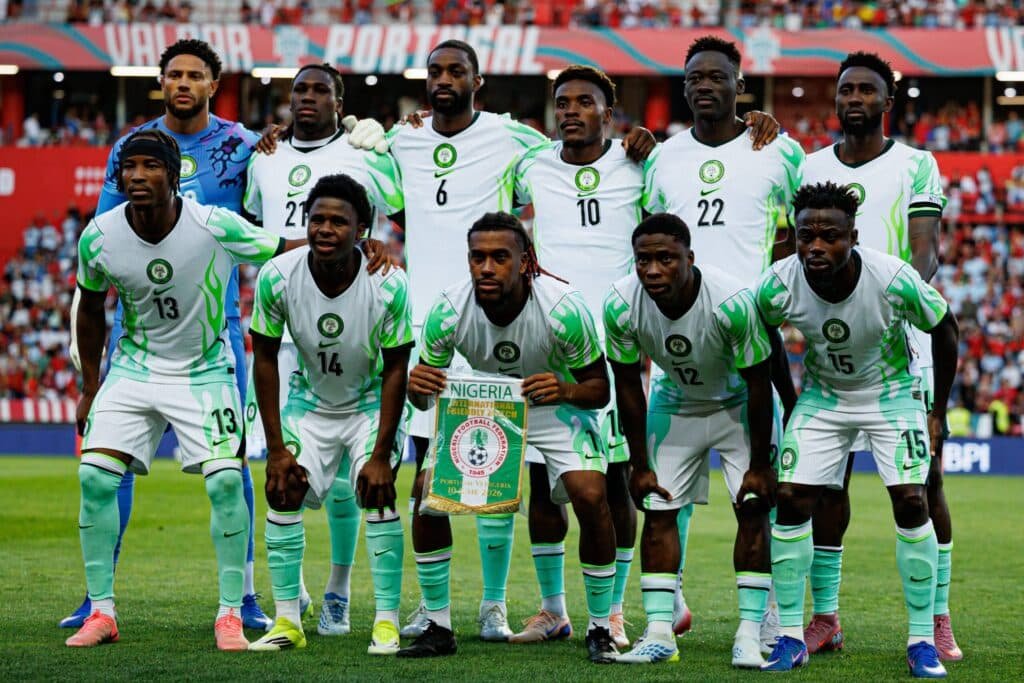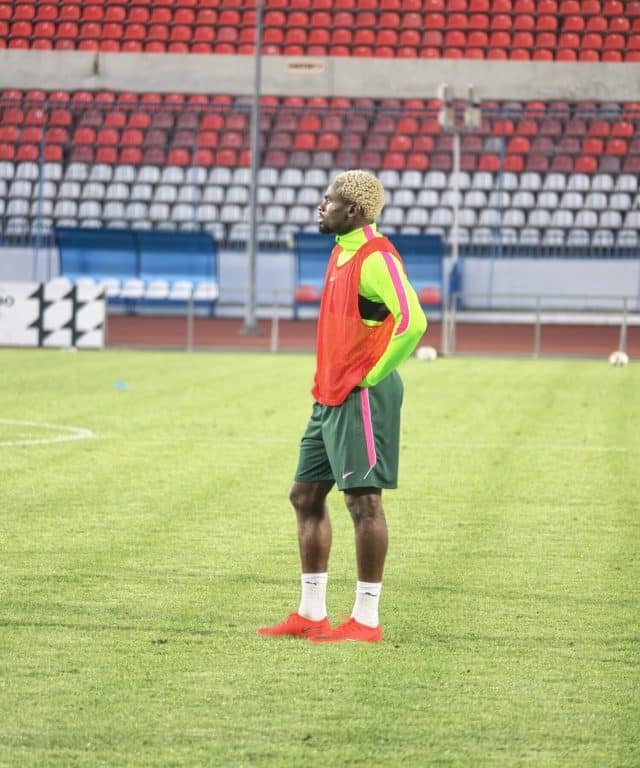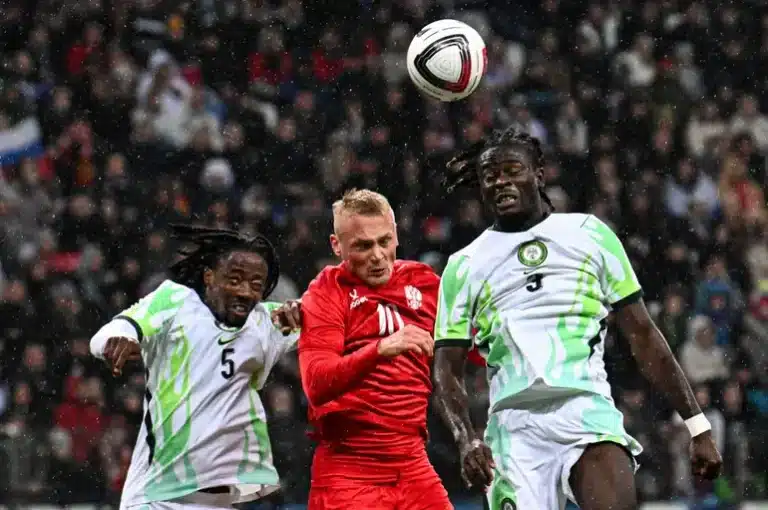
Reports from Spain suggest Iran could withdraw from the 2026 FIFA World Cup amid escalating geopolitical tensions. Nigeria fans wondering if this opens a backdoor to the tournament need to read this carefully.
The rumour mill has been spinning hard since Marca reported that Iran is considering withdrawing from the 2026 FIFA World Cup following US-led military action and rising instability in the Middle East. For Super Eagles supporters still nursing the wounds of missing out on the tournament, the question shot up immediately: could this be Nigeria’s lifeline? The honest answer is almost certainly no. But the full picture is worth understanding.
What’s Actually Happening With Iran
Iran qualified for the 2026 World Cup and were drawn into a group alongside New Zealand, Belgium, and Egypt, with matches scheduled across Los Angeles and Seattle. Now, Mehdi Taj, the head of Iran’s football federation, has reportedly suggested that participation may be unlikely given the current regional climate. No official decision has been made, and FIFA’s general secretary Mattias Grafstrom has publicly emphasised the governing body’s commitment to delivering “a safe World Cup with everybody participating.”
Want our football coverage to show up first?
Add FootballInNigeria as a preferred source and our stories get a "Preferred" badge in your Google Top Stories, AI Overviews, and AI Mode results.
Privately, FIFA officials are said to still expect Iran to take their place. But the uncertainty is real. With over 100 days to the tournament’s opening, this situation will continue to develop, and a formal withdrawal, while not yet confirmed, cannot be completely ruled out.
Why Nigeria Won’t Be the Replacement
Here’s the part Nigerian fans need to hear clearly. Under FIFA’s replacement framework, if a qualified nation withdraws, the replacement comes from within the same confederation. Iran qualified through the Asian Football Confederation (AFC). That means any replacement would also come from the AFC, not from Africa.
The leading candidates to step in, if it came to that, are Iraq and the United Arab Emirates. Both the Iraqi and UAE football associations have already publicly signalled their interest in being considered. Under the AFC’s qualifying standings, they represent the most credible next-in-line options from Asian football.
Nigeria’s qualification pathway runs entirely through CAF (the Confederation of African Football). There is no mechanism, precedent, or FIFA rule that would allow an African nation to fill a vacancy created by an Asian team’s withdrawal. The two pipelines don’t cross. That door simply doesn’t exist.
Nigeria’s Real Hope: The FIFA Ruling on DR Congo
While the Iran story is a distraction, Nigeria does have a genuine, albeit fragile, path back to the World Cup conversation. It runs through FIFA’s ongoing review of the NFF’s formal complaint against DR Congo.
The Super Eagles were beaten on penalties by DR Congo in their World Cup playoff last year, a result that proved heartbreaking. The NFF subsequently filed a petition alleging that DR Congo fielded up to 9 ineligible dual-nationals during the playoff. The complaint centres on whether those players violated Congo’s own domestic eligibility rules, even if they met FIFA’s international criteria.
FIFA initially dismissed part of Nigeria’s appeal in December 2025. But a broader petition remained under active review heading into February 2026, with the BBC reporting as recently as February 17 that Nigerian fans were “still hoping” for a ruling in their favour. Multiple reports then indicated that FIFA officially rejected the appeal on February 16, 2026, though some sources suggest the matter may not be entirely closed.
As of today, Nigeria’s formal World Cup qualification route through this appeal appears to have been exhausted. The ruling effectively leaves DR Congo in their position, setting them up to face the winner of the intercontinental playoff between New Caledonia and Jamaica for a potential spot at the finals.
— BBC Sport, February 17, 2026 (reporting on the status of Nigeria’s petition at that time)
The Iran Connection Nigeria Does Have
There is one legitimate way Iran’s situation intersects with Nigeria’s plans. The Super Eagles are scheduled to face Iran in the four-nation tournament in Amman, Jordan, with their opening fixture set for March 27 at the Amman International Stadium. It’s Nigeria’s first competitive-level test against a World Cup-bound Asian side, and coach Eric Chelle was clearly banking on it as a serious preparation platform.
If Iran were to withdraw from the Amman tournament as well as the World Cup, Nigeria’s March window would lose one of its most meaningful fixtures. That wouldn’t be catastrophic; Jordan remains as an opponent on March 31, but it would strip away a genuine benchmark match that Chelle wanted to use to evaluate new players and test his developing squad.
For Nigerian fans planning to follow the Super Eagles’ March campaign closely, Bet9ja’s welcome offer is worth exploring if you’re building multi-leg accumulators around international football fixtures during the FIFA window, including the Amman tournament matches.
Analysis: What Nigeria’s World Cup Absence Really Means
Let’s be honest about where things stand. Nigeria’s 2026 World Cup dream is, for all practical purposes, over. The FIFA ruling on the DR Congo petition appears to have gone against the Eagles, and Iran’s potential withdrawal creates no pathway for an African nation. Nigeria won’t be in Canada, Mexico, or the United States this summer.
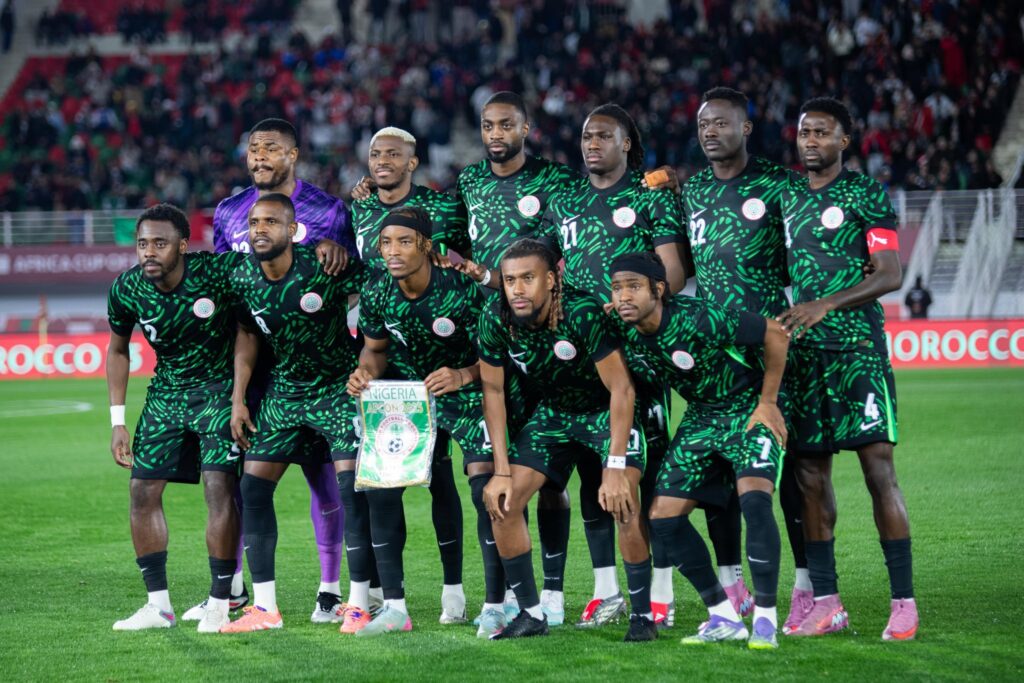
That’s a painful truth for a football nation with Nigeria’s history and talent. The Super Eagles have reached eight World Cups since their debut in 1994 and feature some of the most recognisable names in European club football right now. Victor Osimhen, Alex Iwobi, Samuel Chukwueze, and Ademola Lookman. These are players who belong on the biggest stage. That they won’t be there this year is a genuine loss for the tournament, not just for Nigeria.
The more productive question is what comes next. Chelle is using the March window to rebuild and reassess. The 2027 AFCON in East Africa is the next major target, and after that, the 2030 World Cup qualification cycle begins in earnest. Nigeria’s time will come again. But it won’t be handed to them because of geopolitics in the Middle East.
The Bigger Picture for Nigerian Football
Missing the World Cup stings. But grasping at geopolitical lifelines that don’t actually exist only prolongs the pain. Nigeria’s focus needs to be on Eric Chelle’s squad-building project, on the AFCON title defence that’s now a real possibility after the Super Eagles’ third-place finish in Morocco, and on ensuring that the next qualification campaign is run with the professionalism and clinical finishing it demands.
Iran’s situation is a story for Asian football. Nigeria’s story is being written somewhere else entirely. The March friendlies in Jordan are where it continues.
📌 Did You Know?
- Iran has qualified for the FIFA World Cup seven times in total, with their 2026 qualification coming through the AFC’s third-round qualifying group stage, where they topped their group ahead of South Korea.
- FIFA’s precedent for replacing a withdrawn qualifier was set at the 2022 World Cup, when Russia was banned, and their place was ultimately redistributed within UEFA, the confederation from which they qualified. This confirms the same-confederation replacement rule.
- Nigeria’s complaint against DR Congo alleged the use of up to nine ineligible dual-nationality players, making it one of the largest eligibility disputes ever filed with FIFA by an African Football Federation in a World Cup qualifying context.
- The Super Eagles have qualified for the FIFA World Cup eight times since their debut in the 1994 tournament in the United States, making their 2026 absence one of the most significant qualification failures in the country’s football history.
- Iraq’s football federation and the UAE’s football association both publicly lobbied FIFA and the AFC for consideration as replacement nations, citing their finishing positions in AFC qualifying, even before any official withdrawal by Iran was confirmed.
- Nigeria’s March opponent Jordan reached the final of the 2023 AFC Asian Cup, their best-ever performance at the continental tournament, making them a genuinely competitive warm-up fixture for Chelle’s side in Amman.
- The four-nation tournament in Amman is scheduled for the Amman International Stadium, which has a capacity of 17,000 and has previously hosted several high-profile international fixtures, including AFC qualifiers and friendly tournaments.