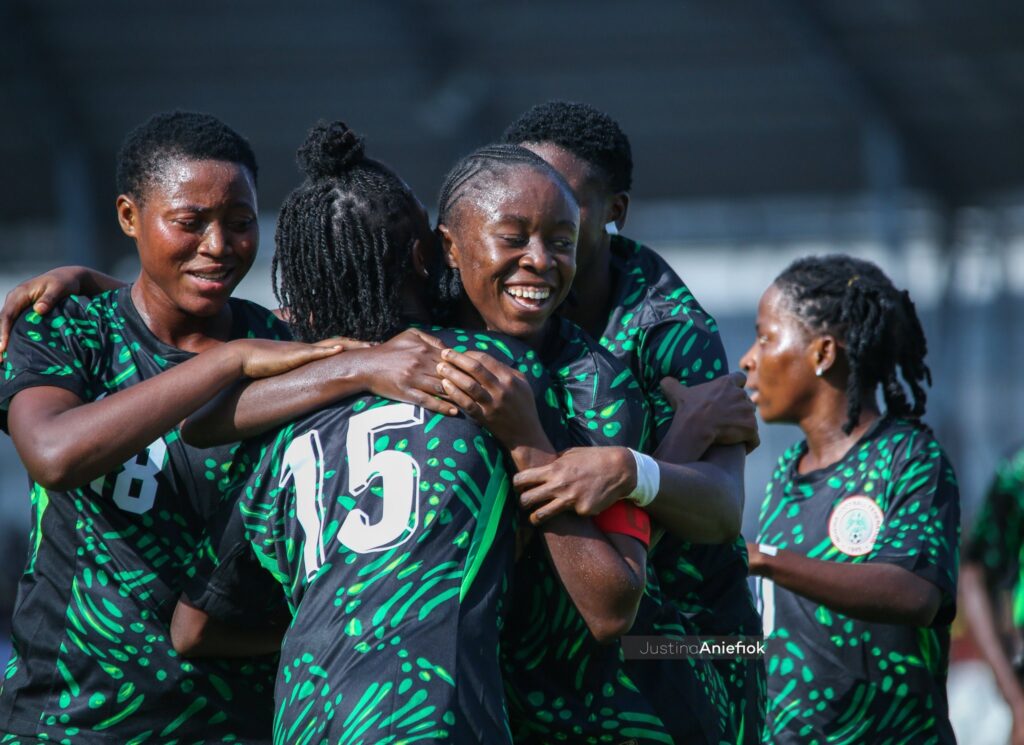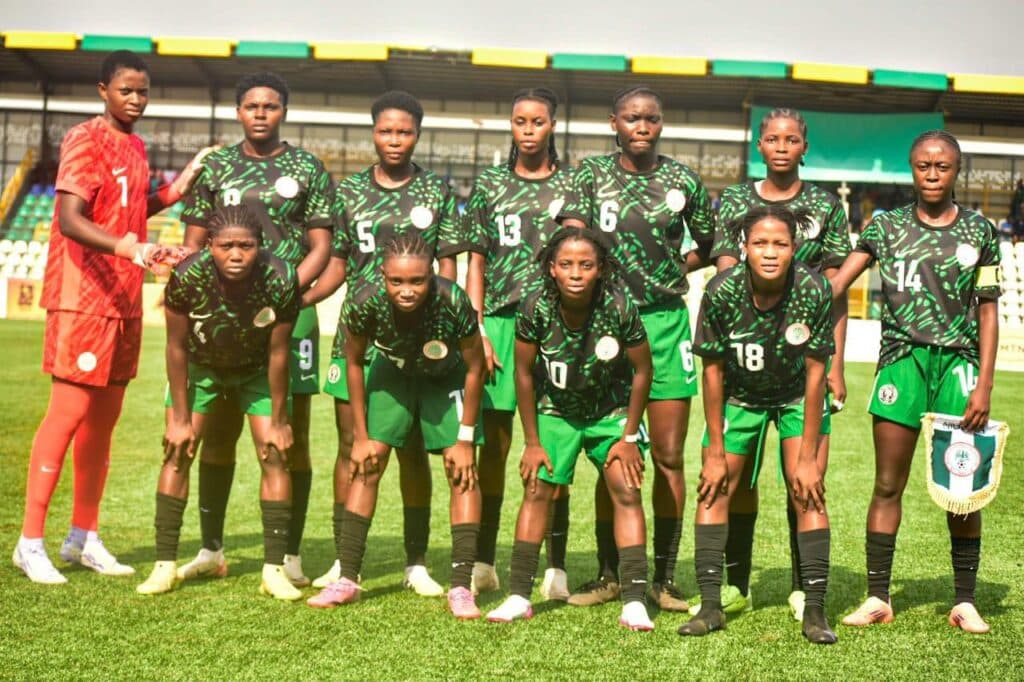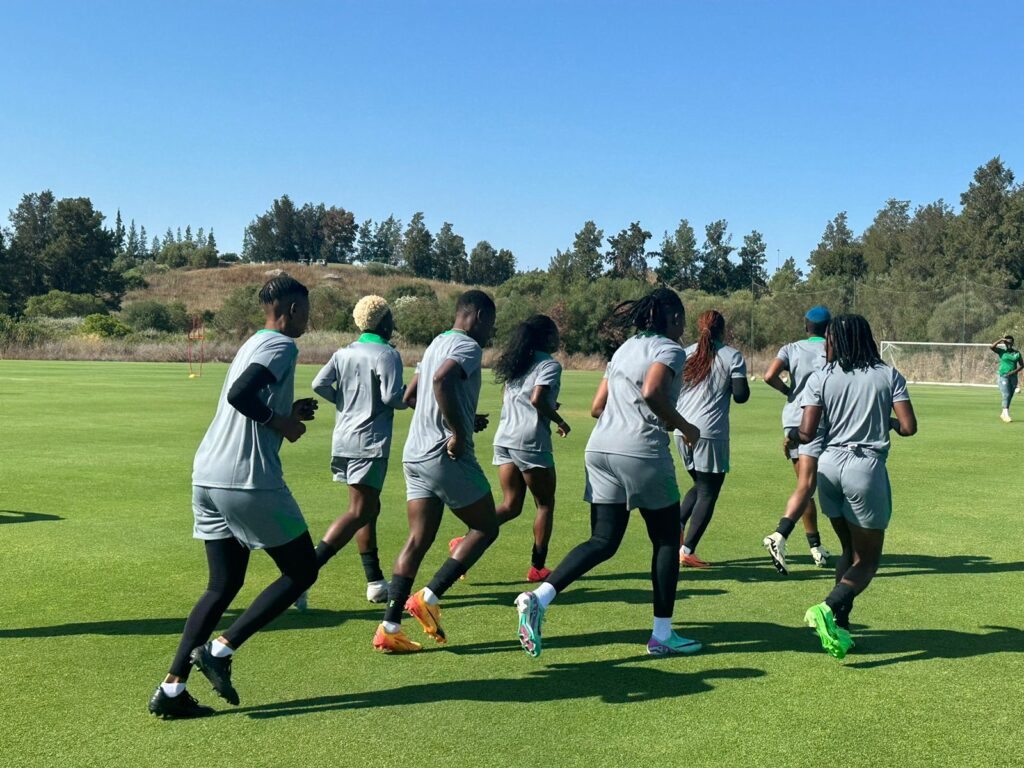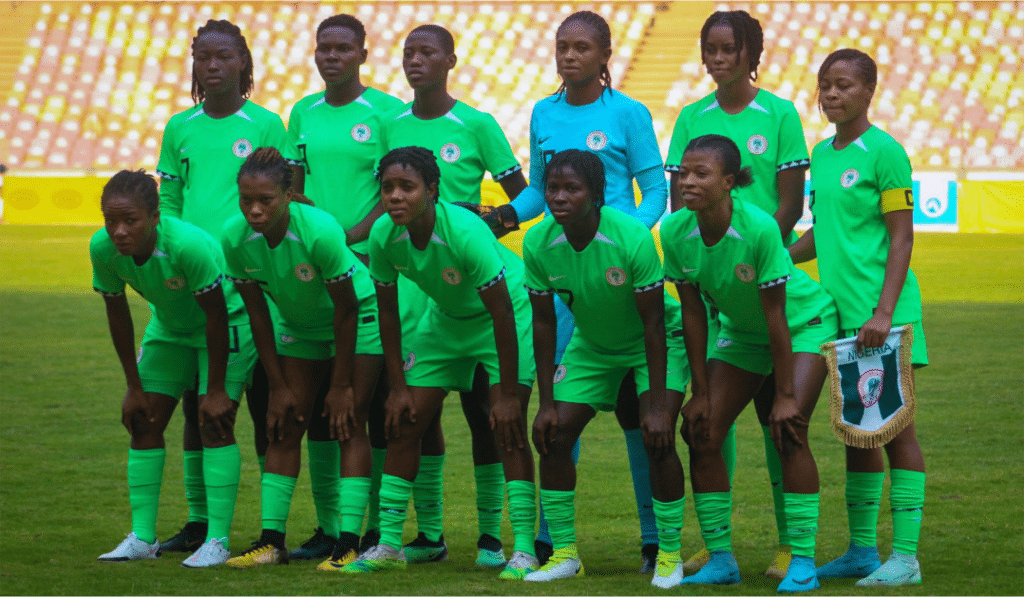
Nigeria’s U20 Women’s National Team the Falconets have resumed camping in Abuja as they step up preparations for their FIFA U-20 Women’s World Cup 2026 qualifying clash with Senegal. The team opened camp on 4 January at the Westpoint Hotel and are now entering an intensive build-up phase ahead of the third-round qualifier.
A contingent of 17 players is currently in camp, with additional invites expected soon to complete the squad ahead of both legs of the tie. Training sessions are already underway, with a focus on team cohesion, tactical organisation, and physical conditioning, as head coach Moses Aduku and his technical crew work to ensure readiness for the crucial fixture.
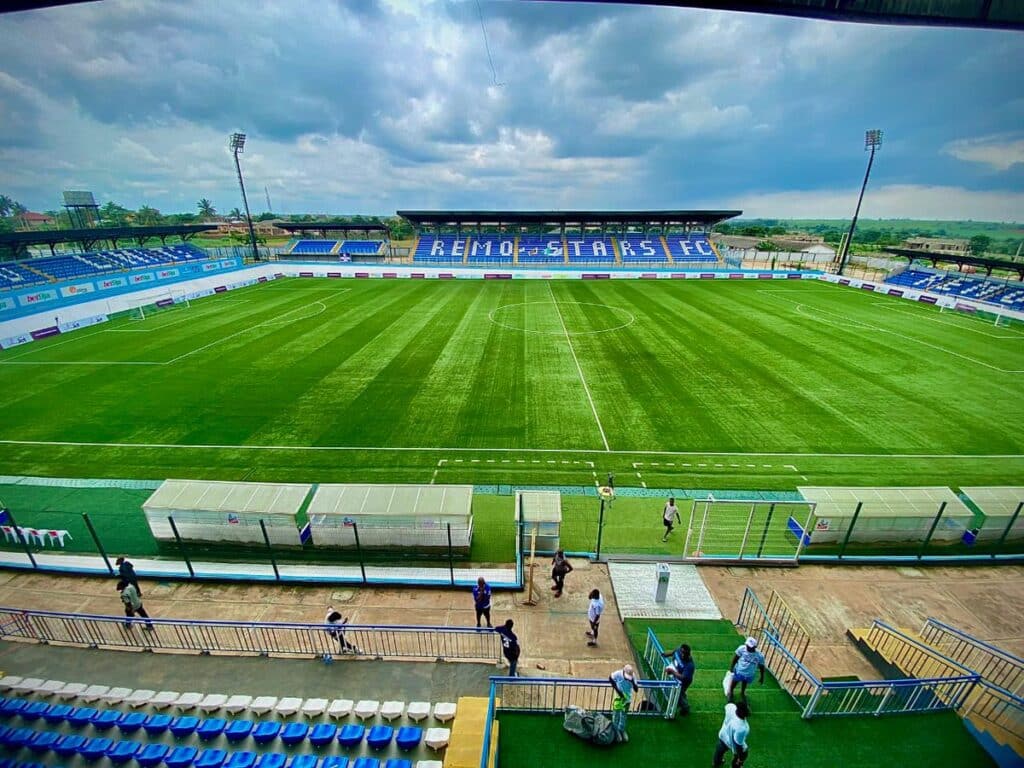
The first leg of the qualifier will be played at Lekan Salami Stadium, Ibadan, on Saturday, 7 February, with the return leg in Dakar, Senegal on 14 February. The winners over the two legs will edge closer to securing a place at the 2026 FIFA U-20 Women’s World Cup in Poland.
Want our football coverage to show up first?
Add FootballInNigeria as a preferred source and our stories get a "Preferred" badge in your Google Top Stories, AI Overviews, and AI Mode results.
Editorial
In the delicate calculus of international football, preparation is the bridge between ambition and achievement. For Nigeria’s Falconets, the restart of camp in Abuja is not simply a gathering of players it is the beginning of a collective endeavour shaped by aspiration, urgency and national pride.
This fortnight of training under Moses Aduku is more than conditioning or competitive drills. It is a crucible in which the psychological and physical armour of young athletes is forged. These are players whose talent has been honed through years on local pitches and in domestic competitions. Now, on the international stage, that talent must be melded with tactical discipline and a rhythm that only cohesive preparation can yield.
The fixture against Senegal is a threshold. Senegal stand as a respected opponent battle-hardened and resolute and the two-legged tie will demand not just technical proficiency but resilience under pressure. Yet Nigeria’s history in youth competitions, and the Falconets’ own pedigree, suggest a team comfortable with expectation yet unafraid of challenge. Their journey to Poland is not merely about qualification; it is about sustaining a legacy of excellence in women’s football a tradition built on unity, grit and unrelenting ambition.
In this sense, camp in Abuja is more than a precursor to a match; it is the groundwork of destiny. As sessions unfold and players push through drills designed to synchronize movement and mindset, the Falconets are writing the opening act of their quest for glory a narrative that will take them from the training grounds of the capital to stadiums in Ibadan, Dakar and, ultimately, Poland.
Did You Know?
- Nigeria’s Falconets have qualified for every FIFA U-20 Women’s World Cup since the tournament’s inception in 2002, making them one of the continent’s most consistent youth sides.
- Senegal and Nigeria are likely to meet after both progressed in earlier rounds Senegal held a strong lead over Algeria in their qualifier, positioning them as Nigeria’s likely opponent.
- The final round of African qualifiers will determine four teams to represent CAF at the Poland 2026 U-20 Women’s World Cup, where 24 nations will compete.
- Structured tactical training now underway includes drills designed to enhance game intelligence and team cohesion, beyond basic physical fitness.
- Poland 2026 will be one of the largest FIFA U-20 Women’s World Cups, showcasing 24 teams — up from 16 in previous editions.